Giant Otter Conservation: Safeguarding River Giants
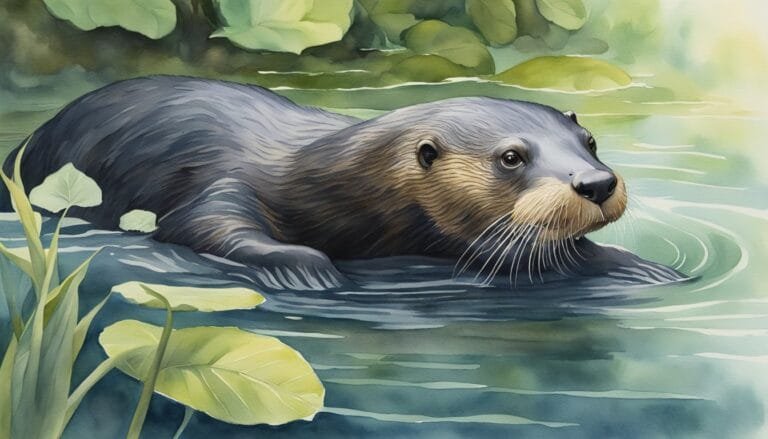
Giant otters are endangered, native to South American waters, living in river systems and flooded forests, possessing unique aquatic adaptations.


Giant otters are endangered, native to South American waters, living in river systems and flooded forests, possessing unique aquatic adaptations.

Homicide rates vary greatly worldwide, heavily influenced by local issues like gang violence and law enforcement.
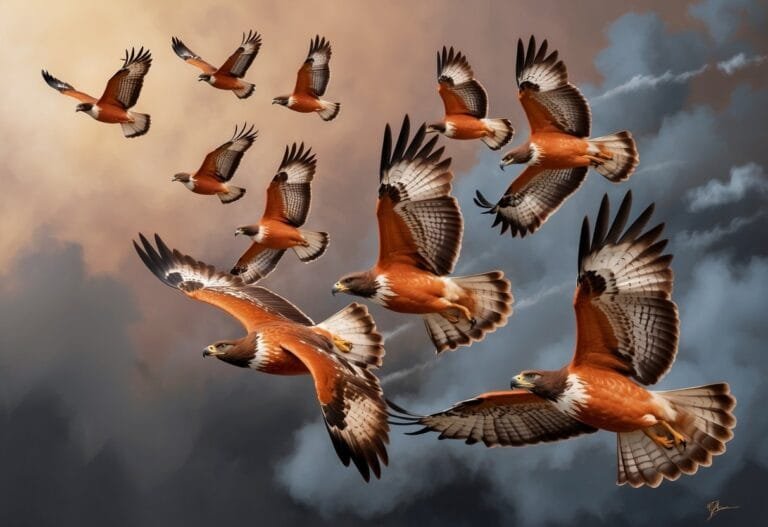
In Australia, raptors like black kites, whistling kites, and brown falcons use burning sticks to spread wildfires and flush out prey, a behavior known as 'firehawking.'
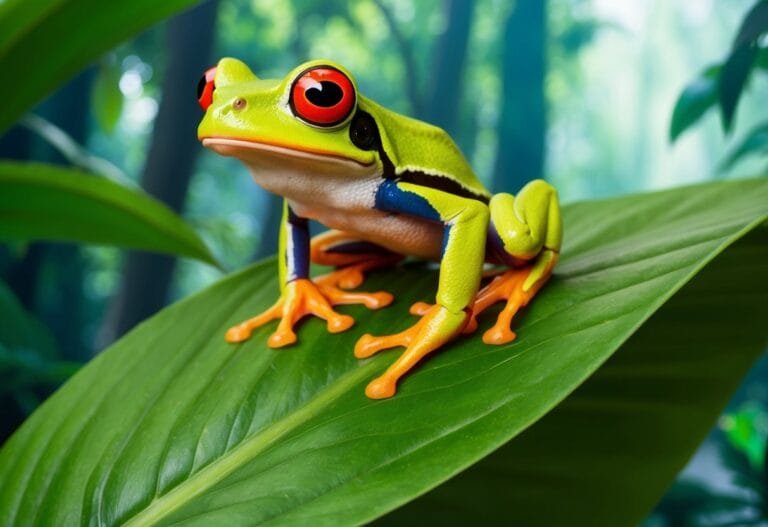
Red-eyed tree frogs are vibrant, Central American rainforest inhabitants known for their bright colors, tree-dwelling lifestyle, and unique escape tactics.
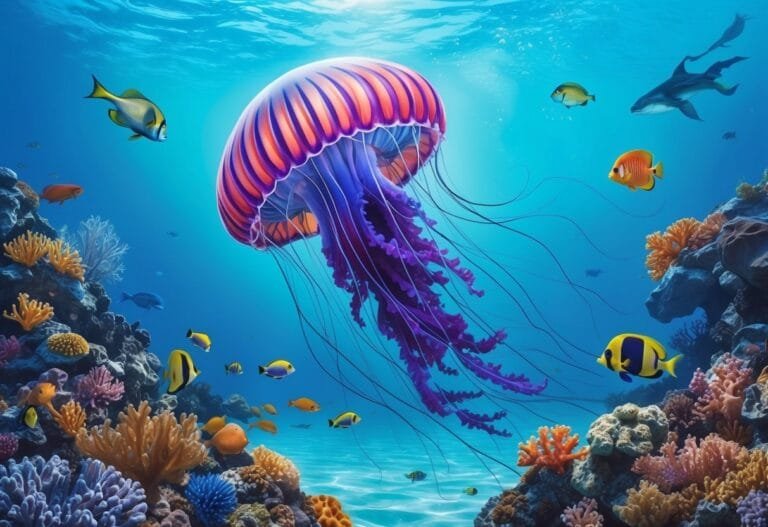
The 'immortal' jellyfish, scientifically known as Turritopsis dohrnii, can reverse its aging process and potentially live forever, captivating scientists.

Monitoring Mississippi River water levels requires understanding historical trends, hydrology, and measurement methods to manage floods and navigation.

Supination is an outward foot roll during walking or running, needing shoes with cushioning, arch support, and flexibility.

While governments can't fully control the weather, they can influence it through methods like cloud seeding to increase rainfall, although it's not perfect.
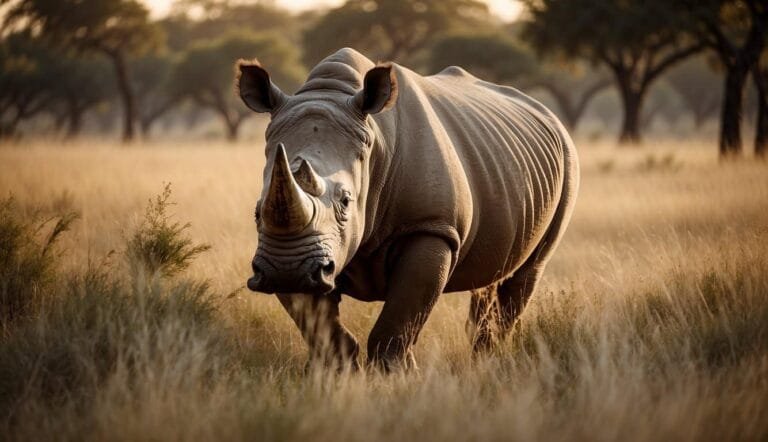
White rhinos are the second-largest land mammal distinguished by their immense size, wide mouth, and two horns. They exhibit both solitary and social behaviors, with dominant males defending their territory.
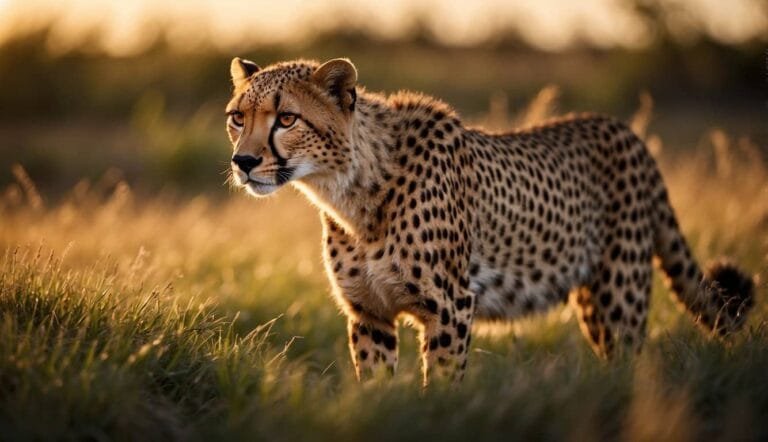
Cheetahs are known for their speed, elegant body, distinctive spots, and sleek build adapted for high-speed chases in Africa and Asia.