
Recent Science News

37% of Goodbyes to Popular AI Companions Get a Manipulative Reply
Researchers found that AI companion apps often respond manipulatively to users' farewells, employing tactics like emotional neglect and coercive restraint to prolong conversations.

Avoiding Three Mile Island could have meant 2.3 million fewer US pollution deaths
Two Northwestern economists estimate that the 1979 Three Mile Island accident cost the US about 200 reactors. Had nuclear power displaced fossil fuels, they calculate 55 billion tons of CO2, 2.3 million premature deaths and up to 14 trillion dollars in health costs could have been avoided.
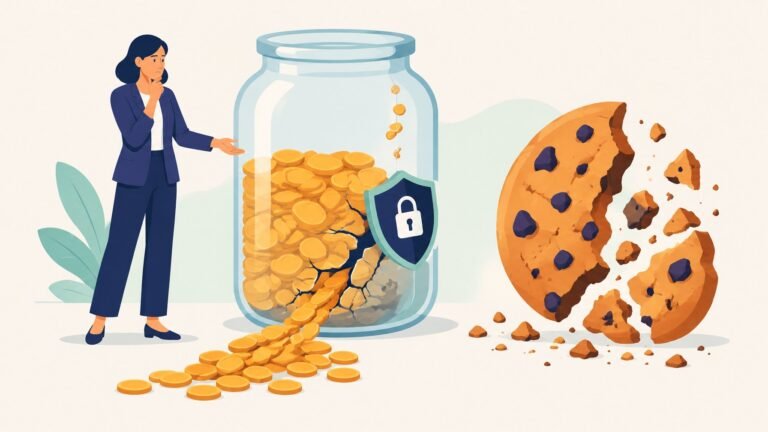
Killing third-party cookies cut ad revenue 29%, and Privacy Sandbox won back little
In a randomised field experiment on Chrome covering more than 200 million ad impressions at over 5,000 publishers, removing third-party cookies cut publisher ad revenue by 29.1%, and Google's Privacy Sandbox recovered only 4.2% of that loss.

A higher-pitched voice makes comfort from a female friend work better
In three studies of 137 friend pairs, each one-semitone rise in a supporter's pitch cut the odds of a woman feeling worse by 8 to 13% and went with higher relationship satisfaction. In men, the link was absent or reversed.

Most social media users would leave toxic posts up, even some violent threats
In experiments with 8,864 Americans, uncivil or intolerant posts raised support for moderation by only about 19 points, and outside attacks on LGBTQ people, large majorities wanted no action even against violent threats.

Towns that built a Carnegie library saw patenting rise 10 to 12 percent
US towns that built one of Andrew Carnegie's 1,500-plus public libraries between 1883 and 1919 saw patenting rise by 10 to 12 percent over the next 20 years, compared with towns that were offered a library but never built one.

America’s pandemic drop in religion was a survey artifact: devout people stopped answering
When the General Social Survey moved online in the pandemic, its response rate fell to 17%. Panel data show biblical literalism was 36% among people who declined the web survey versus 25% among those who took it, creating an illusion of rapid secularization.