Are Stingrays Dangerous? Understanding the Risk and Reality

To understand stingrays, exploring their biology, diverse habitats, and roles in ecosystems and human culture is crucial.


To understand stingrays, exploring their biology, diverse habitats, and roles in ecosystems and human culture is crucial.

Bears, extinct in England for around 1,000 years due to hunting and habitat loss, are being reintroduced through projects like the Wild Place Project in Bristol.
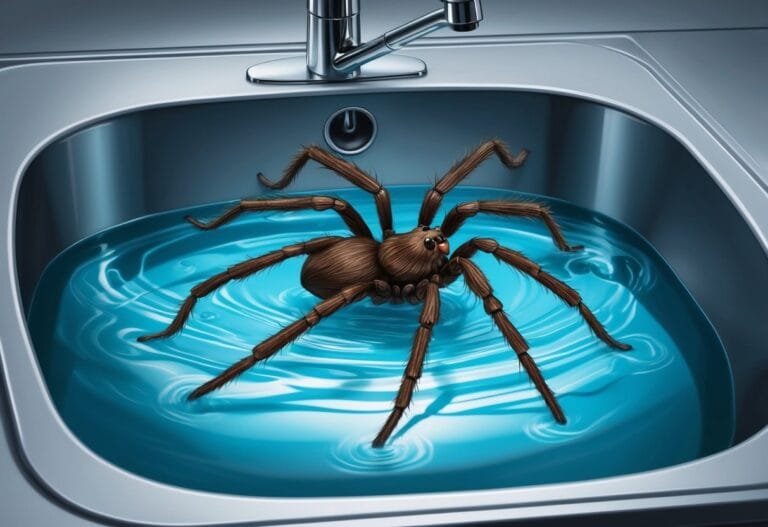
Spiders can drown if submerged too long, but many have adaptations like trapping air in body hair and using their legs to swim to survive in water.

Late-term abortions, post-fetal viability, involve crucial medical, legal, and ethical considerations, typically occurring after 20-24 weeks.
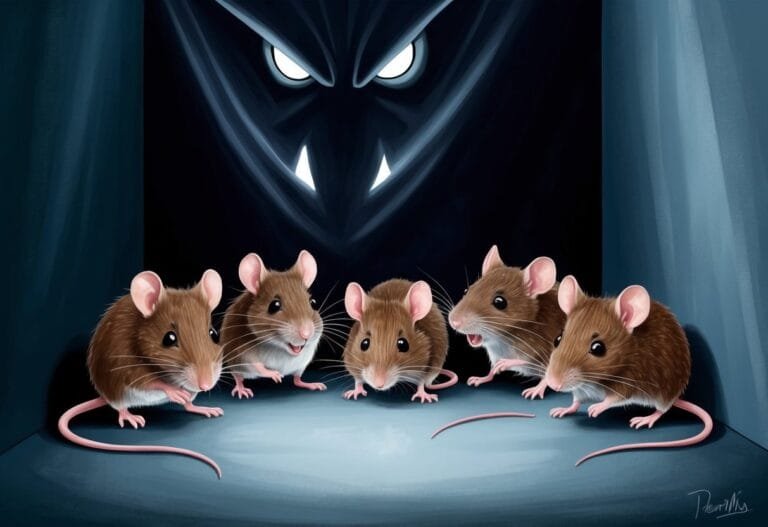
Mice fear humans, cats, dogs, rats, and predators, avoiding open spaces, loud noises, bright lights, and strong scents like peppermint, cinnamon, and vinegar.

Dolphin populations are vulnerable to external factors such as climate change, pollution, and natural disasters, which can significantly affect their numbers.
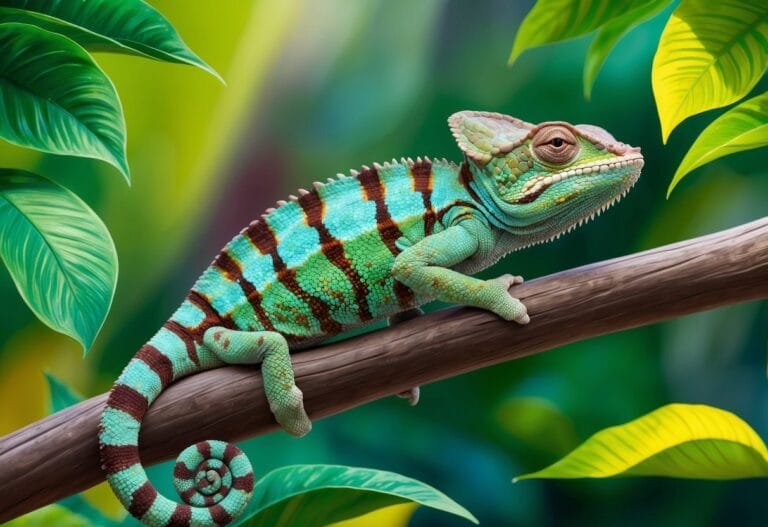
Chameleons are lizards that can change color, have unique eyes, long tongues, prehensile tails, and specialized feet, enabling them to thrive in their environments.

In today’s fast-paced world, finding ways to organize thoughts and ideas effectively is crucial. Mind mapping software can help you create visual diagrams to brainstorm, plan, and connect different concepts. Using mind mapping tools can significantly enhance your creativity and…

Asteroids pose a potential but rare threat to Earth; NASA and other agencies track these objects, developing defenses like DART to mitigate potential risks.

Tropical rainforest animals adapt in unique ways to thrive in a wet, hot climate by swimming, climbing, and employing camouflage for food and safety.