Giant Clam Conservation: Safeguarding the Ocean’s Gentle Giants
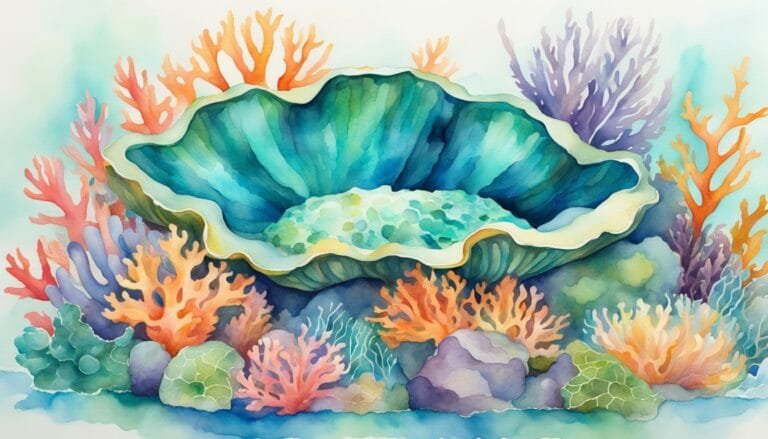
Giant clams are the largest bivalve molluscs, vital to coral reef ecosystems, and form symbiotic relationships with algae.


Giant clams are the largest bivalve molluscs, vital to coral reef ecosystems, and form symbiotic relationships with algae.
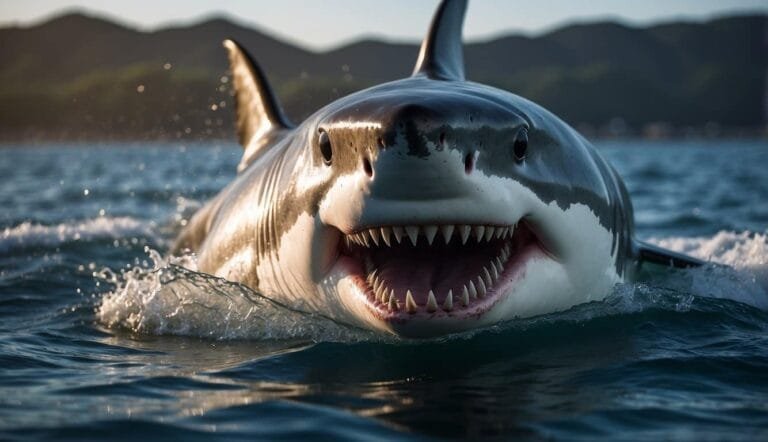
Great white sharks, apex predators of the ocean, captivate with their impressive hunting skills and often misunderstood nature.
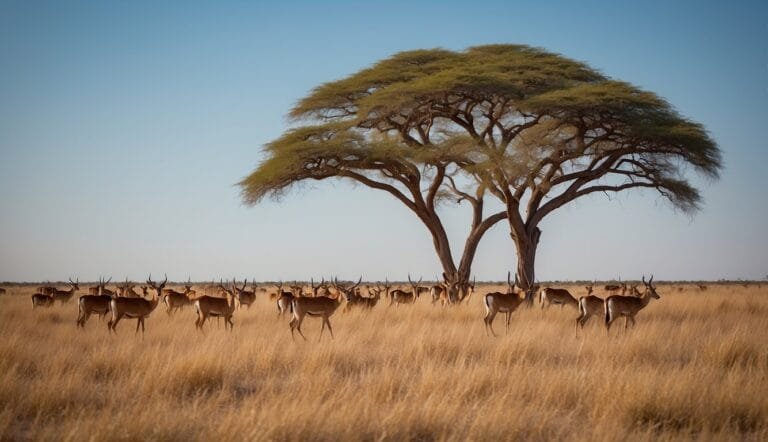
The impala is a fascinating and athletic antelope with incredible jumping abilities and a rich history, playing a vital role in African ecosystems and human observation.
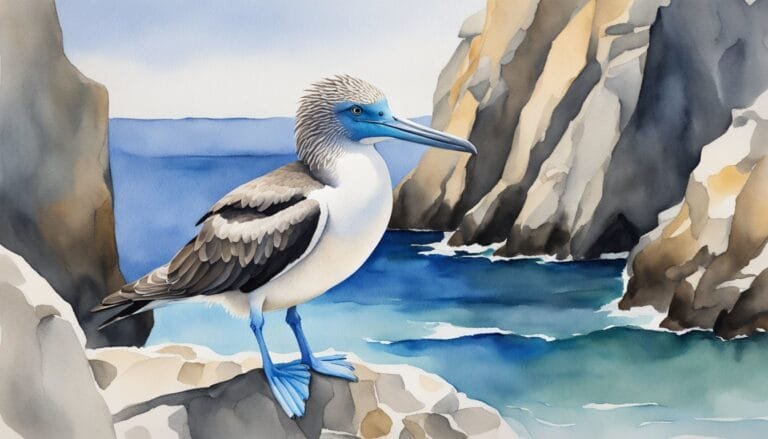
Boobie birds, large seabirds from the Sulidae family, exhibit various adaptations for diving and hunting in tropical seas.
The multiverse theory, rooted in cosmology and quantum mechanics, proposes the existence of multiple, parallel universes.
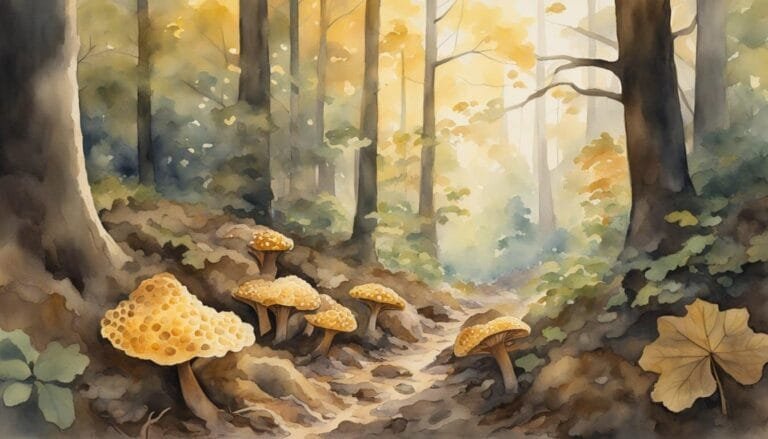
Morel mushrooms are a springtime favorite for foragers and gourmet chefs. Known for their honeycomb-like appearance and distinct flavor, they are prized for their taste and the excitement of the hunt.
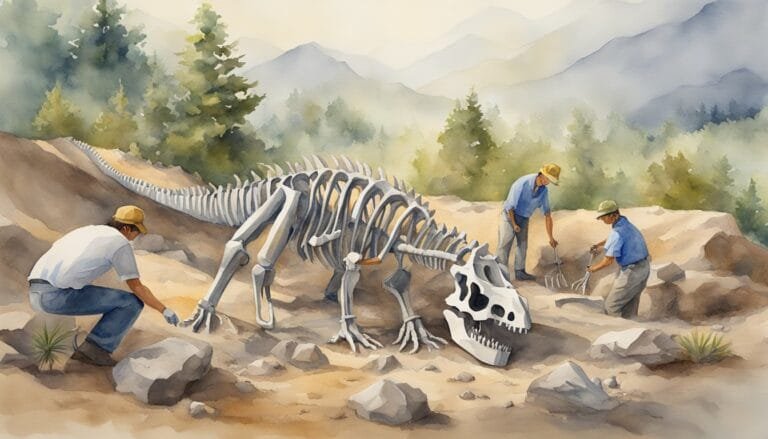
Recent explorations in Argentina and Chile have uncovered new dinosaur species, offering fresh insights into their adaptations and behaviors.

Cannabis affects growth by interacting with the endocannabinoid system and growth hormones, particularly during adolescence.
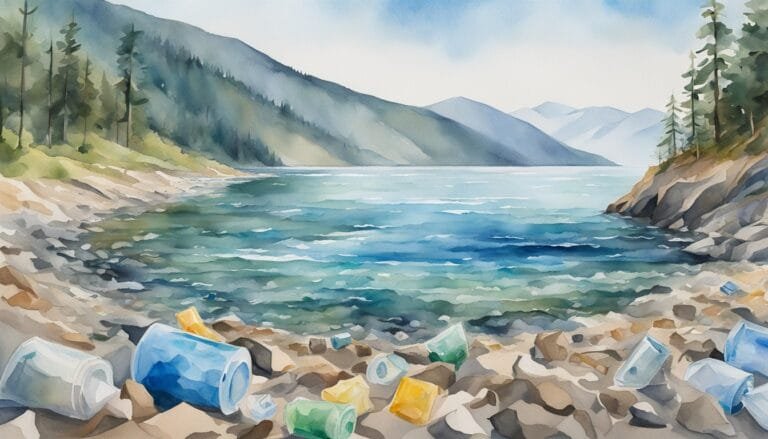
Lake Baikal, the world's deepest and oldest freshwater lake, is an ecological marvel nestled in the heart of Siberia, Russia. Its clear waters and surrounding ecosystems are both a scientific fascination and a natural treasure.
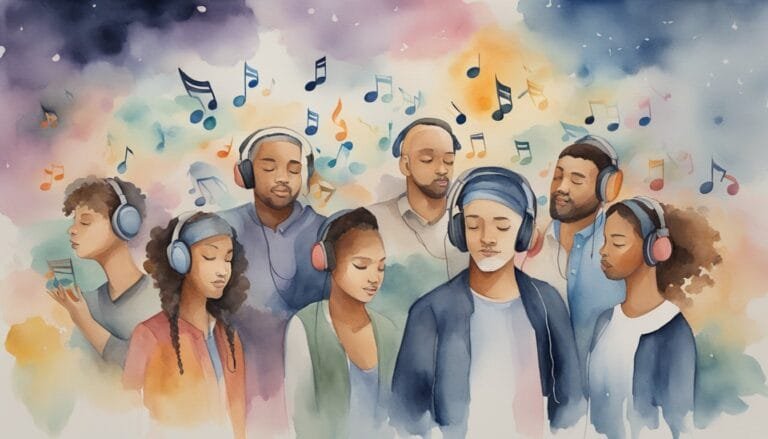
Music intricately affects the brain, enhancing cognitive functions, emotional response, and neural development.