How Will Humans Evolve: Surprising Paths Our Species May Take

Human evolution will likely involve genetic adaptations to technology, urban environments, climate change, and possibly space colonization, shaping physical and cognitive traits.


Human evolution will likely involve genetic adaptations to technology, urban environments, climate change, and possibly space colonization, shaping physical and cognitive traits.
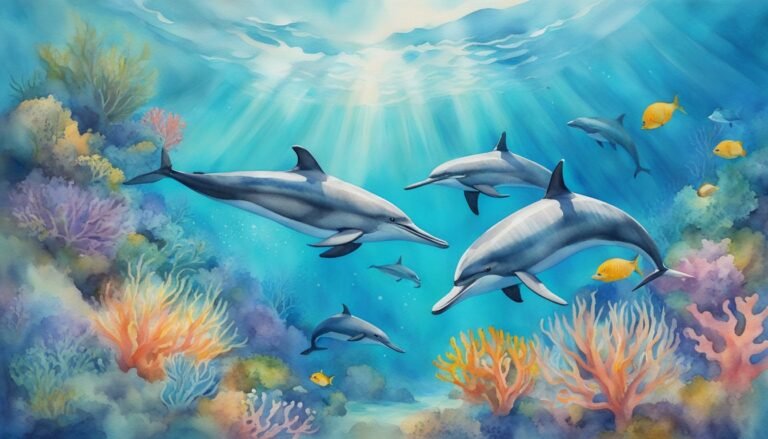
Spinner dolphins are known for their acrobatic spins, inhabit tropical waters, and primarily feed on squid and fish.

This article explores the biology, life cycle stages, and host roles crucial for flea survival and development.

Probiotics are beneficial bacteria that support gut health in dogs by promoting a balanced microbiome and aiding in digestion.

Vampire legends may stem from diseases such as tuberculosis and rabies, historically misidentified as signs of vampirism.

Winter holidays worldwide offer a blend of family, religious rites, and cultural customs, celebrating rich heritage and community.

Transitioning to a raw meat diet for dogs involves combining uncooked meats, bones, and organs to mimic their natural ancestral diet, focusing on essential nutrients.

Despite ongoing exploration, there have been no confirmed instances of extraterrestrial life as of yet.

The Philippines gained independence from the U.S. on July 4, 1946, and has faced political and societal challenges since.
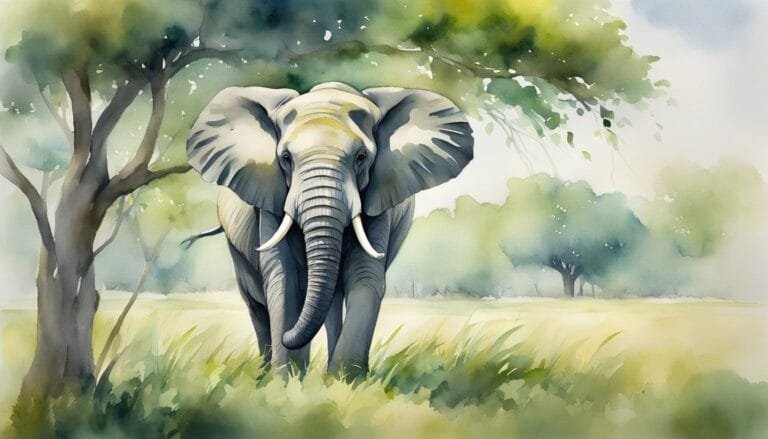
Elephants, key to ecosystems, show varied species, social structures, and face threats like poaching and habitat loss.