King Tut’s Tomb: Unveiling the Secrets of Ancient Egypt’s Young Pharaoh

In 1922, Howard Carter discovered King Tutankhamun's tomb, offering deep insights into ancient Egyptian burial practices.


In 1922, Howard Carter discovered King Tutankhamun's tomb, offering deep insights into ancient Egyptian burial practices.

The 2024 interest rate landscape hinges on Federal Reserve policies, economic indicators, market reactions, and their effects on borrowing costs.

Great white sharks are most frequently found in coastal and offshore waters where temperature and food sources are optimal.

Gallbladder problems in dogs show symptoms like vomiting and jaundice, and diagnosis often requires tests like ultrasounds.

Pink lemonade's origins are a blend of fact and folklore, with stories attributing its creation to circus vendors like Pete Conklin and Henry E. Allott in the 1850s. The drink's roots intertwine with European immigrant traditions, leading to various innovative twists in America.
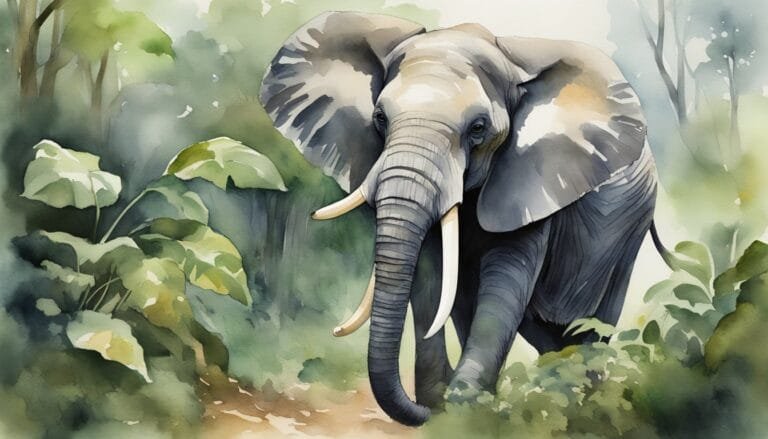
The African forest elephant, Loxodonta cyclotis, is a smaller, tusky subspecies crucial for seed dispersal in dense forests.
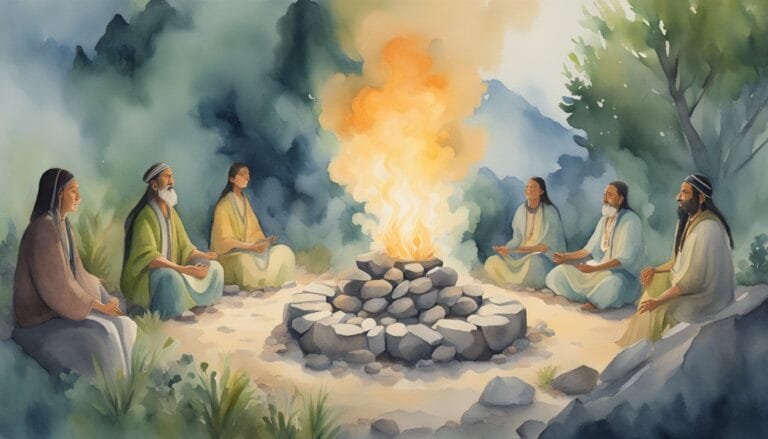
Shamanism involves ancient beliefs and practices rooted in the spirituality and traditions of indigenous cultures worldwide.
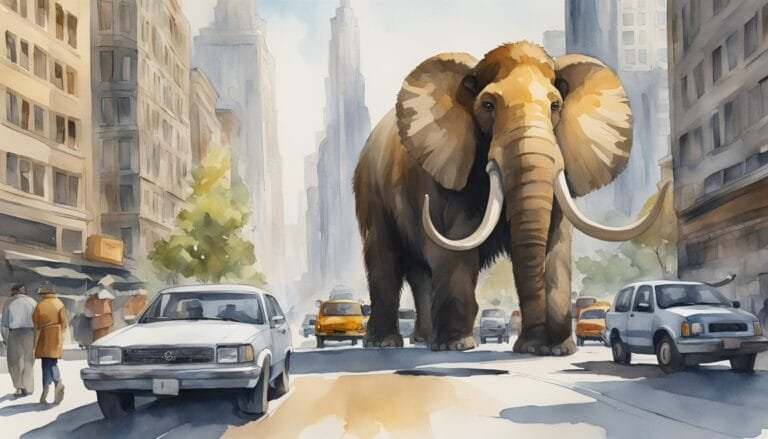
Mammoths, ancient relatives of elephants, evolved into various species and adapted to diverse climates but eventually went extinct due to climate changes and human hunting.
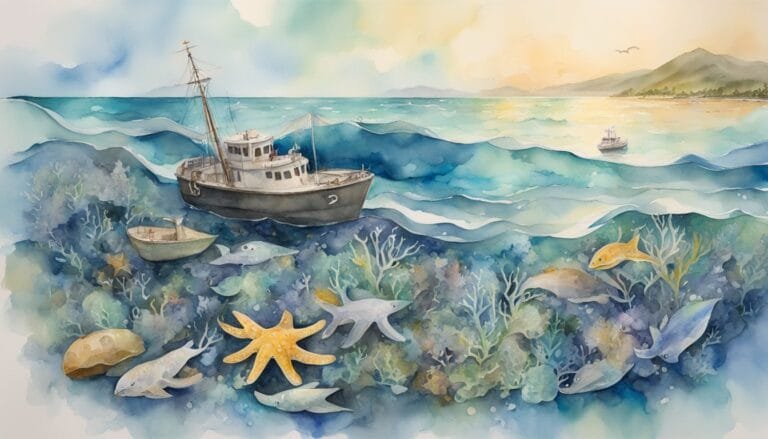
Covering 60 million square miles, the Pacific Ocean is Earth's largest and deepest ocean, featuring complex seabed topography and connecting continents via crucial sea routes.

The visible light spectrum allows human eyes to perceive colors, influenced by light's wave-particle duality and interaction with photoreceptors.