When Will the Sun Destroy the Earth? Understanding Our Star’s Future Impact

The Sun will evolve from a main sequence star to a red giant, impacting Earth's ability to sustain life.


The Sun will evolve from a main sequence star to a red giant, impacting Earth's ability to sustain life.
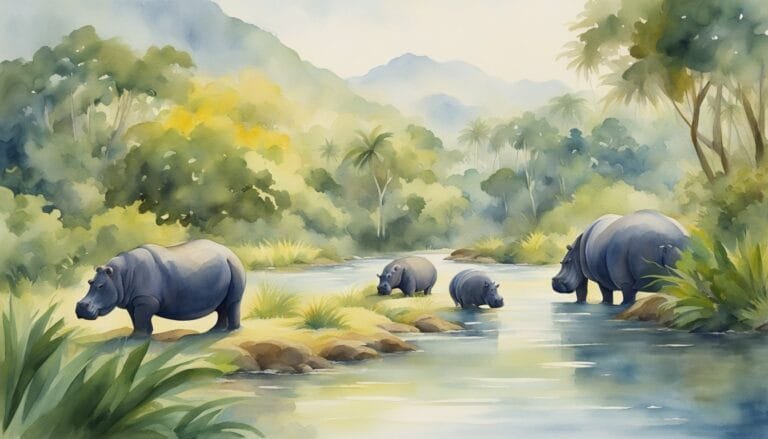
Pablo Escobar's imported hippos have multiplied in Colombia, becoming an invasive species that poses environmental challenges.

Elephants possess a unique gait and biomechanics that allow them to run with surprising agility, with African bush elephants reaching top speeds of up to 25 mph.

Ice ages are mainly caused by Milankovitch cycles, changes in atmospheric CO2, and continental layouts affecting climate.
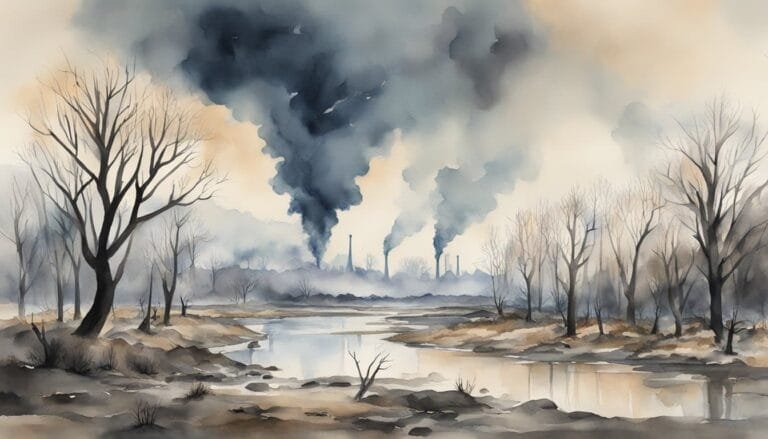
The sixth mass extinction refers to the current phase of massive species extinction caused by human activities, such as habitat destruction, climate change and overexploitation, occurring 100 to 1,000 times faster than the natural extinction rate.
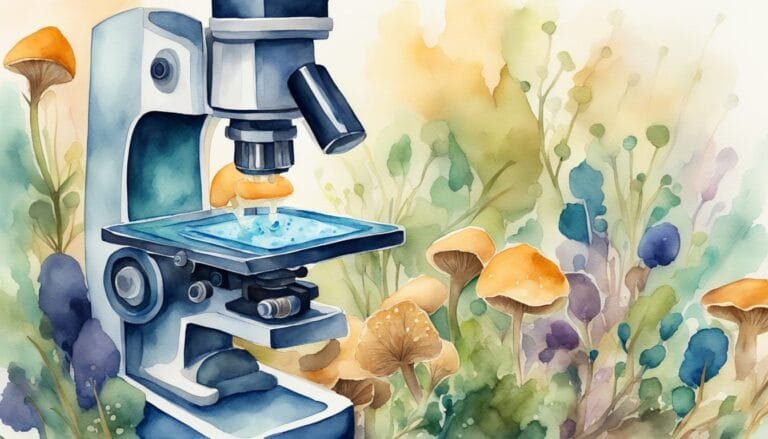
Fungal lung infections occur when inhaled fungal spores lead to diseases that may be severe in those with weakened immune systems.

Animals, belonging to the kingdom Animalia, are diverse multicellular organisms classified taxonomically by shared traits.
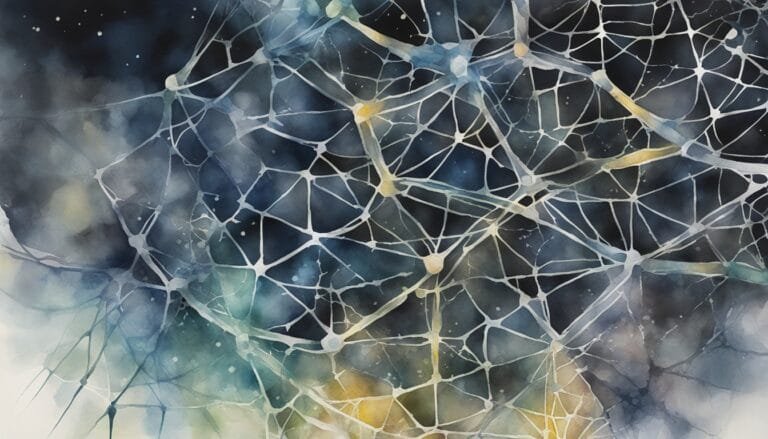
Epigenetic trauma explores how experiences can alter gene expression without changing DNA, affecting health across generations.
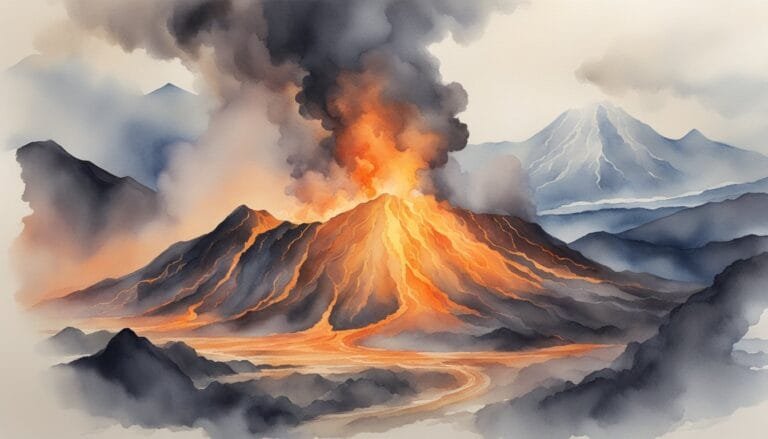
Volcanoes form from magma rising due to tectonic movements, creating shield, stratovolcanoes, and cinder cones.
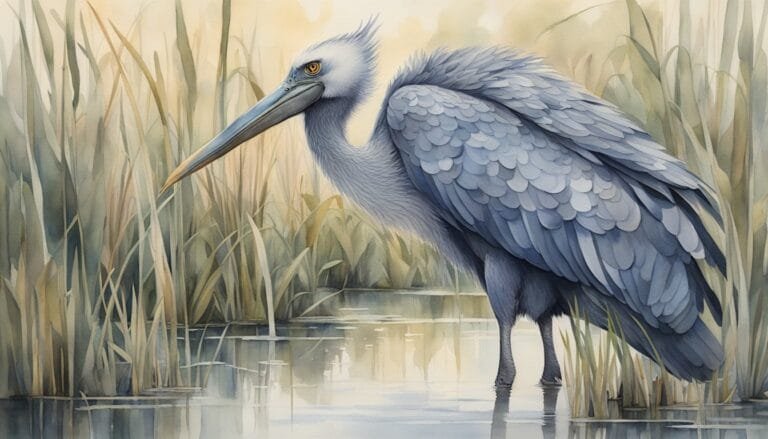
The shoebill stork, or Balaeniceps rex, is notable for its prehistoric look and unique shoe-shaped bill, inhabiting East Africa's wetlands.