Facts About Uruguay: Unveiling the Country’s Rich Culture and Heritage
Uruguay, on South America's southeast coast, boasts a rich history and diverse landscapes, functioning as a presidential republic.

Uruguay, on South America's southeast coast, boasts a rich history and diverse landscapes, functioning as a presidential republic.

Sea cucumbers are marine invertebrates essential for ocean ecosystems, known for their diverse sizes and reproductive strategies.
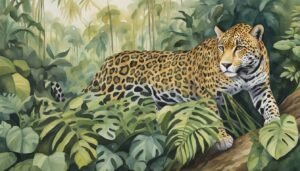
Jaguars are bulkier with intricate rosettes, while leopards are lighter with simpler patterns.
Vampire bats, evolved for blood-feeding, utilize physiological and behavioral adaptations to consume and digest blood.

The spectacled bear, native to the Andes, is distinguishable by unique facial markings and primarily eats plants.

Goldfish, a domesticated carp, thrive in spacious, well-cycled tanks with a balanced diet, reflecting their diverse varieties and adaptive nature.

Orcas live longer in the wild (up to 80 years for females, 60 for males) than in captivity, where their lifespan is significantly reduced.

This article explores fireflies' unique biology, covering their physical traits, life cycle, and bioluminescence used for communication and mating.

Red wolf conservation faces challenges like habitat loss, interbreeding with coyotes, human interference, and prey scarcity.

Identifying and classifying orcas involves analyzing their anatomy, markings, social structures, and behaviors.