Fibonacci Sequence: Nature’s Hidden Pattern Unveiled

The Fibonacci sequence, starting with 0 and 1, is a set of numbers where each number is the sum of the two before it, found in nature, art, and math.

The Fibonacci sequence, starting with 0 and 1, is a set of numbers where each number is the sum of the two before it, found in nature, art, and math.
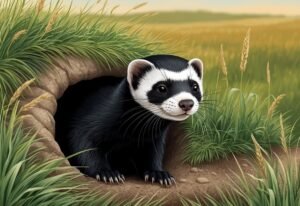
Once thought extinct, the black-footed ferret has made a comeback due to concerted conservation efforts, though it still faces challenges like habitat loss and food scarcity.

The largest crocodile ever caught was Lolong at 6.17 meters; he was followed by Cassius, the largest living crocodile in captivity at 5.48 meters.

Whales do not eat phytoplankton directly; instead, they consume krill and plankton, which eat phytoplankton, playing a crucial role in ocean nutrient cycling.
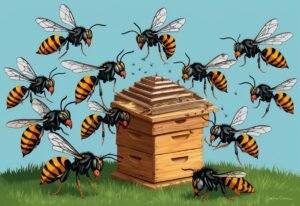
Asian giant hornets, also known as 'murder hornets,' are large, dangerous insects recently spotted in North America; scientists are trying to contain their spread.

Among the world's largest rats is the Sumatran bamboo rat, measuring up to 20 inches and 8.8 pounds, highlighting the remarkable diversity of rodents globally.

Native Americans used horses of European descent before colonizers arrived, altering our understanding of horse domestication in North America.

Snow Geese, thriving in North America, display two color morphs and are significant ecological players with varying conservation concerns.

Animals like polar bears, Arctic foxes, and walruses thrive in icy climates using features like thick fur, blubber, and survival tactics to stay warm.

The Aztec Empire emerged in 1428 through the Triple Alliance of three city-states and ended in 1521 due to the Spanish conquest, marking Mesoamerica's final native civilization.