Fireflies: Enchanting Lights of the Night Sky

This article explores fireflies' unique biology, covering their physical traits, life cycle, and bioluminescence used for communication and mating.

This article explores fireflies' unique biology, covering their physical traits, life cycle, and bioluminescence used for communication and mating.

Red wolf conservation faces challenges like habitat loss, interbreeding with coyotes, human interference, and prey scarcity.
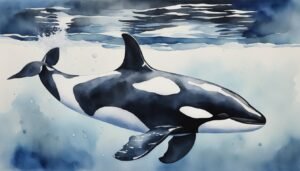
Identifying and classifying orcas involves analyzing their anatomy, markings, social structures, and behaviors.

Peregrine falcons are globally present except Antarctica, thriving in diverse habitats from Arctic tundra to urban skyscrapers.

This article explores the major freshwater fish like the Mekong Giant Catfish and the Beluga Sturgeon, and stresses on their conservation challenges.

The giant pangolin excels in biological adaptability with specialized diets, advanced sensory capabilities, and robust defense mechanisms, crucial for its survival.

The platypus is a unique egg-laying mammal from eastern Australia, known for its duck-bill and venomous spurs.

Whales' diets vary by species; baleen whales filter feed, while toothed whales hunt larger prey; interactions with humans are rare and non-aggressive.

The chicken and egg question examines the origins of life, suggesting eggs existed before chickens due to evolutionary biology.

Veiled chameleons are known for their ability to adapt, vivid colors, and distinct casque, thriving in varied, humid environments.