Octopus Intelligence: Unveiling the Secrets of Cephalopod Brains

Octopuses are highly adapted cephalopods with unique features like flexible arms with suction cups, color-changing skin, excellent vision, three hearts, and a complex nervous system.

Octopuses are highly adapted cephalopods with unique features like flexible arms with suction cups, color-changing skin, excellent vision, three hearts, and a complex nervous system.
Dogs have evolved to understand human gestures better due to domestication, while wolves retain complex problem-solving skills vital for wild survival.

Flying spiders balloon using silk to catch wind and navigate air, exhibiting unique adaptations and impacting ecosystems.
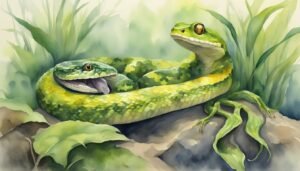
Venomous organisms inject toxins, while poisonous ones are harmful when touched or ingested.

Spinner dolphins are known for their acrobatic spins, inhabit tropical waters, and primarily feed on squid and fish.

Koko the gorilla mastered American Sign Language, showing deep cognitive skills and challenging views on interspecies communication.

Beluga whales are known for their white color and lack of a dorsal fin, thriving in Arctic regions and facing conservation challenges.

The Chinese pangolin, critically endangered due to poaching and habitat loss, thrives in Asia’s diverse habitats and feeds mainly on termites.

The blue marlin, a large carnivorous fish, exhibits unique physical traits and behaviors, is crucial for biodiversity, but faces threats from overfishing.

The Andean Condor is a large, revered bird found in South America, crucial for its ecological role as a scavenger.