Emperor Penguin Conservation: Safeguarding the Future of Antarctica’s Iconic Bird
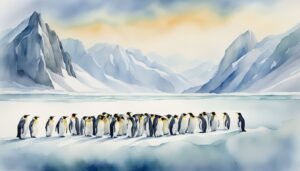
The emperor penguin, adapted to Antarctica's harsh conditions, relies on specialized features and behaviors for survival.

The emperor penguin, adapted to Antarctica's harsh conditions, relies on specialized features and behaviors for survival.
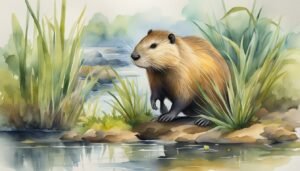
The nutria, or coypu, is an invasive, herbivorous semi-aquatic rodent from South America, causing significant ecological damage in wetlands.

Poop coffee, like kopi luwak, is made from beans digested by animals, providing a unique, smooth flavor, but raises ethical concerns.

Cellulite is caused by fat cells pushing against the skin and pulled by fibrous tissue, affected by hormones, genetics, age, and body anatomy.
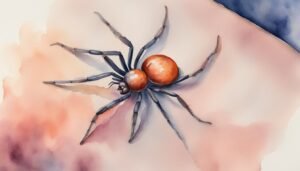
The deadliest spiders are judged by venom potency and human interactions, including Sydney Funnel-Web and Brazilian Wandering Spiders.
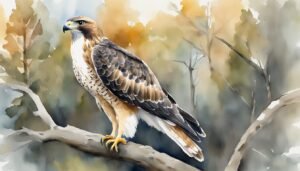
Identifying a red-tailed hawk involves noting size, plumage, and regional variations, with a distinctive red tail being key.
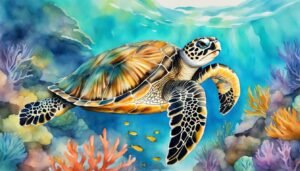
Hawksbill sea turtles have distinctive shells, specialized diets consuming primarily sponges, and are crucial for coral reef health.
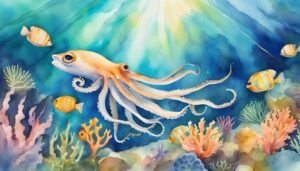
The article describes the anatomy, diversity, and ecological roles of squids in marine ecosystems.
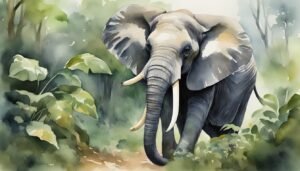
The African forest elephant, Loxodonta cyclotis, is a smaller, tusky subspecies crucial for seed dispersal in dense forests.
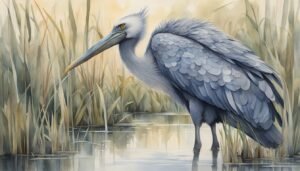
The shoebill stork, or Balaeniceps rex, is notable for its prehistoric look and unique shoe-shaped bill, inhabiting East Africa's wetlands.