Blanket Octopus: Unveiling the Mysteries of a Marine Wonder

The blanket octopus exhibits remarkable sexual dimorphism; females can be up to 2 meters long and use membranes for defense.

The blanket octopus exhibits remarkable sexual dimorphism; females can be up to 2 meters long and use membranes for defense.

The Asiatic lion, found only in India's Gir Forest, shows population growth due to extensive conservation efforts.

The Harp Seal is a well-adapted Arctic marine mammal crucial for its ecosystem, known for its unique coat and dependency on icy habitats.
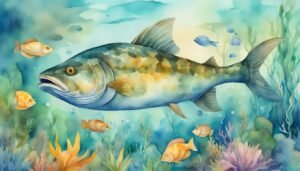
Anglers globally aim to catch record-breaking catfish, revered by the IGFA, including critically endangered species like the Giant Mekong.

Manta rays, classified under the genus Mobula, are distinguished by their large size and unique physical traits, posing ecological vulnerabilities.
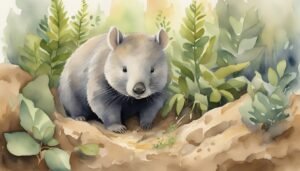
The article explores classification, characteristics, habitat, and conservation of wombats, revealing their unique life and threats.

The black mamba is known for its speed, lethal venom, and considerable size, often reaching lengths of up to 14 feet.

Great white sharks are apex predators, essential to maintaining marine ecosystems, with unique hunting and social behaviors.

North American river otters inhabit diverse aquatic environments essential for their diet and shelter.
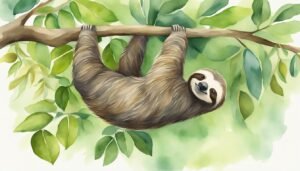
Sloths are slow-moving, arboreal mammals adapted to life in Central and South American rainforests, featuring unique traits like symbiotic algae in their fur.