Real Exorcism Accounts: Unveiling the Truth Behind the Rituals

Exorcism, spanning cultures and centuries, involves rituals to expel negative spiritual entities, deeply rooted in historical and theological beliefs.

The psychological aspects of human behavior, including studies on happiness, health, social interactions, and mental well-being.
Exorcism, spanning cultures and centuries, involves rituals to expel negative spiritual entities, deeply rooted in historical and theological beliefs.

Recent studies suggest a strong relationship between school start times, sleep patterns, and the well-being of adolescents.

The brain's memory capacity is almost limitless, able to store a vast array of memories thanks to its intricate network of neurons and synapses.

Stress and relaxation are influenced by our body's nervous systems, with symptoms and effects that can be managed through mindfulness and self-care techniques.

Rare mental disorders are often unrecognized yet affect a critical portion of the population.

Research explores the impact of violent video games on aggression, focusing on how they may influence aggressive thoughts, feelings, and behaviors.

Telephobia, or fear of making and receiving phone calls, is a type of social anxiety disorder causing emotional and physical symptoms.

The widely quoted definition of insanity - performing the same action repeatedly while expecting different outcomes - mistakenly attributed to Albert Einstein, reveals the complexities surrounding the concept of insanity and its historical attributions.

The Dunning-Kruger effect is a cognitive bias where individuals with limited knowledge or skills in a particular area tend to overestimate their abilities, leading to potential misjudgments and mistakes.
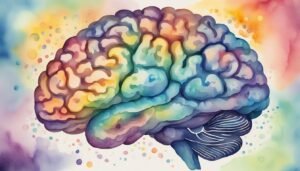
Neuroscience debunks the myth that humans only use 10% of their brains; in reality, nearly all parts of the brain are active and engaged in various mental states and activities.