
Recent Science News

Signing a no-cheating pledge did not stop people lying for money
In lab and online experiments with 691 participants who could profit from lying, about 31% cheated after signing a no-cheating declaration, almost the same as the 32.5% who cheated without one, whether the pledge stressed ethics or sanctions.

Global values have drifted apart since 1981 instead of converging, survey of 406,185 shows
World Values Survey data from 76 countries between 1981 and 2022 show values diverging worldwide, led by a widening gap between rich Western countries and the rest on tolerance and self-expression, while neighbouring countries grew more alike.
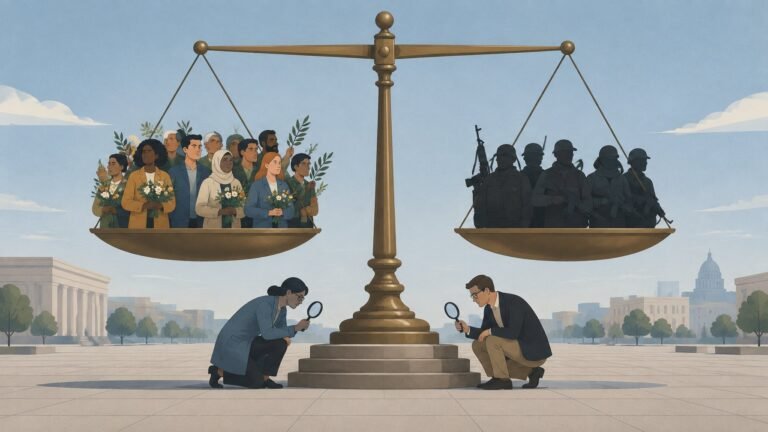
Replication finds no clear evidence that nonviolent movements beat violent ones
Reanalysing the 323 campaigns behind Why Civil Resistance Works, two political scientists found misreported significance levels and a nonviolence advantage that vanishes under modest changes to the models; in newer data the effect sits near zero.

Keeping e-cigarettes out of drug regulation saved 677,000 life-years, economists estimate
After a 2010 court ruling exempted e-cigarettes from FDA drug regulation, smoking-related deaths fell faster in high-smoking groups. The authors estimate 677,000 life-years saved from 2011 to 2019 and $8 billion a year in social surplus.

Exaggerated thank-yous hurt couples, even when the partner does not notice
Across four studies of 639 couples, partners who expressed more gratitude than they felt reported lower authenticity and relationship quality. Recipients who sensed amplified thanks saw their partner as less responsive and felt worse about the relationship.
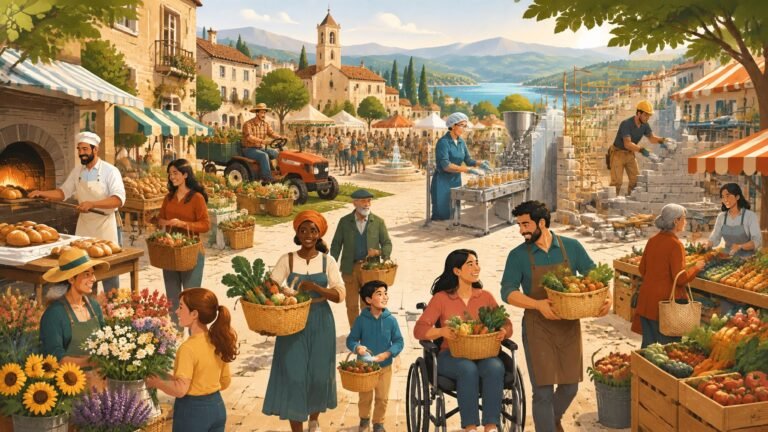
People fear population growth because they picture newcomers as mouths, not workers
Across six studies, people judging population growth focused on extra demand and ignored gains in production efficiency, so they wrongly believed real prices rise over time. Prompting them to think about productivity reduced their economic pessimism and anti-immigration views.
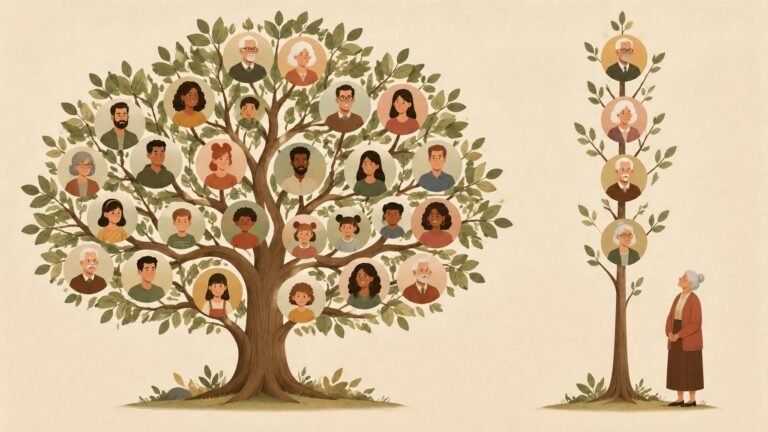
A 65-year-old woman will have 38% fewer living relatives by 2095 than in 1950
Projections for every country show a 65-year-old woman's living kin falling from 41 in 1950 to about 25 in 2095, a 38% drop, while families grow older and more vertical, with more great-grandparents and far fewer cousins and grandchildren.