

How ChatGPT is sneaking its favorite words (like “delve” and “bolster”) into our everyday conversations
Researchers at the Max Planck Institute found ChatGPT’s preferred vocabulary, termed “GPT words,” influences everyday language, increasing usage in both academic and casual conversations.
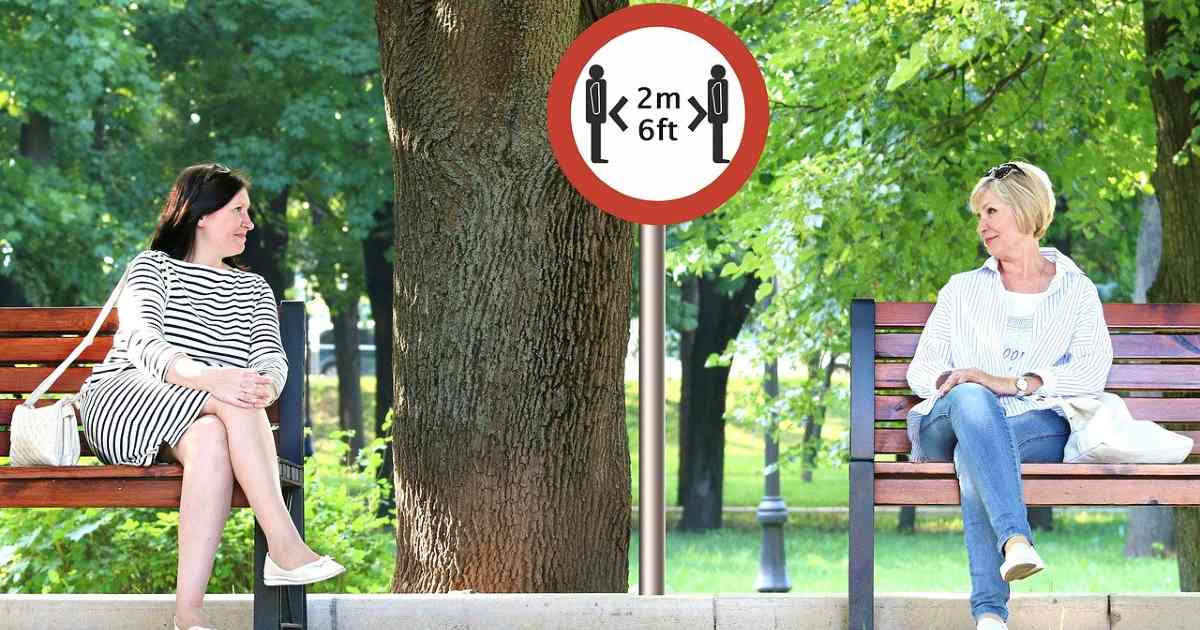
New study finds that positive peer pressure is crucial to social distancing adherence
A new study of 114 countries finds that adherence to social distancing guidelines is most influenced by positive peer pressure.
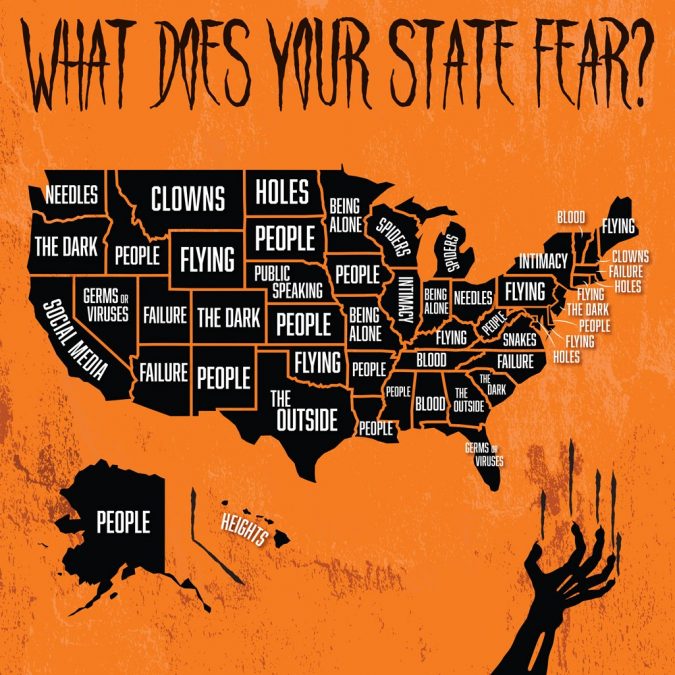
Anthropophobia was the most-Googled fear of 2020
Anthrophobia is an acceptable misspelling of anthropophobia, which is the fear of people that can lead to social isolation and distress.
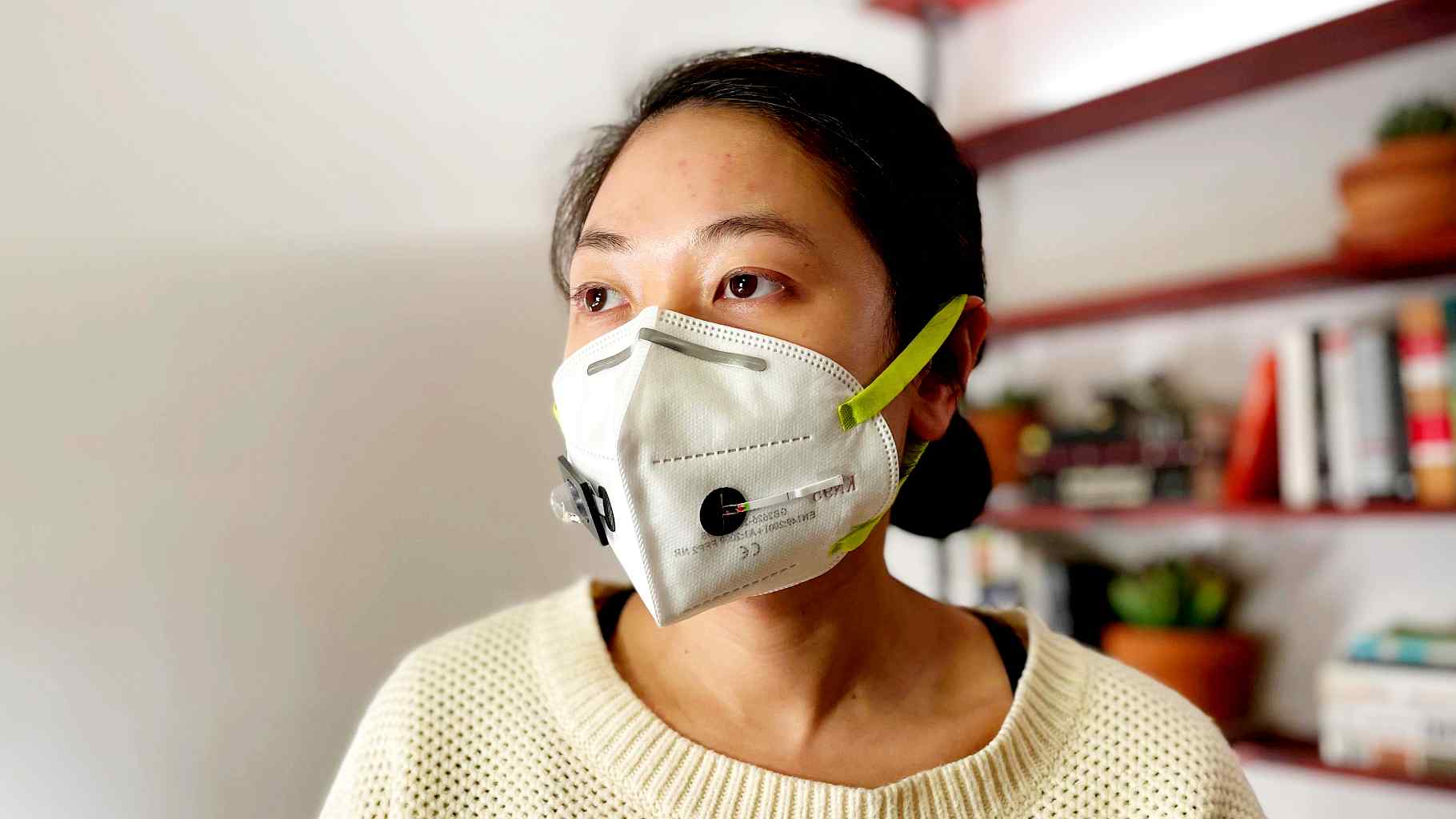
MIT mask study: new face mask prototype can detect COVID-19
Advanced technology, including AI and machine learning, enables early detection of health risks like COVID-19 and skin cancer through apps and algorithms.

Mongooses have a “fair society” because moms care for all the mongoose pups as their own
The care for mongoose pups does have an impact on the health of mongoose moms, with stress and demands of caregiving possibly affecting their health.

Hand dryers vs paper towels: new study shows why towels are 10x cleaner
New study shows paper towels leave less contamination on hands than hand dryers, reducing spread of germs onto clothing and surfaces.
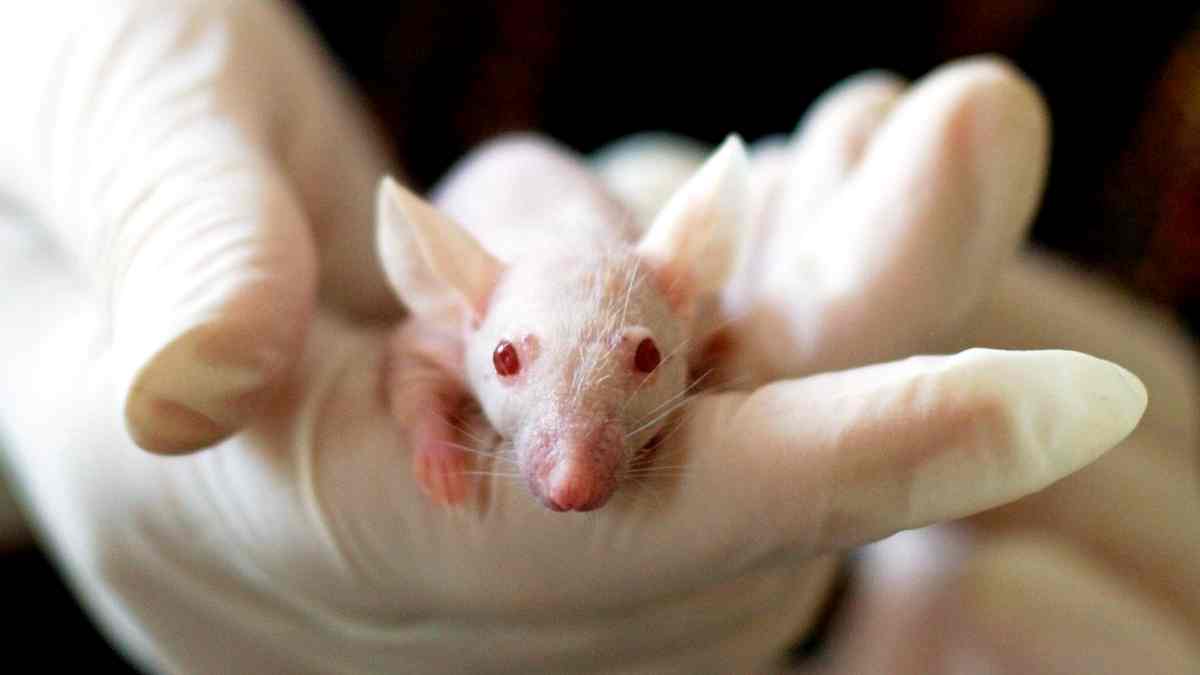
Mice-based studies that omit “mice” from title get 31% more media coverage
Important for accuracy and transparency, enabling public to grasp research relevance and implications.

Men cleaning house: married men who avoid housework earn more money, new study shows
Disagreeable men who do not help with housework bring home bigger paychecks, as they invest more resources in their jobs due to their wives taking more household responsibilities.

Scary but not too scary movies and attractions mark the horror “sweet spot”
Physiological arousal plays a role in explaining why people enjoy scary films, with a 'sweet spot' where fear maximizes enjoyment.