

Telling voters races are won by 350 votes, not 2,500, lifted primary turnout 6%
In a phone experiment with nearly 17,000 registered voters in seven US states, people told that past primaries were decided by fewer than 350 votes turned out at 26.0%, against 24.5% for those told fewer than 2,500 votes.

New study shows CBT therapy for hypochondria lasts for a decade or even more
Just a few sessions of CBT (cognitive behavioral therapy) for a typical hypochondriac had a lasting effect, even 10 years later.

How many friends is too many? This new study shows the problem of having too many friends
How many friends is too many? A new study shows that having too many friends can be seen by others as an obstacle to social networking.

The triumph of the outgoing introvert: faking extroversion makes people like you more
The outgoing introvert: a new study finds that pretending to be an extrovert makes the people around you feel happier and more relaxed.
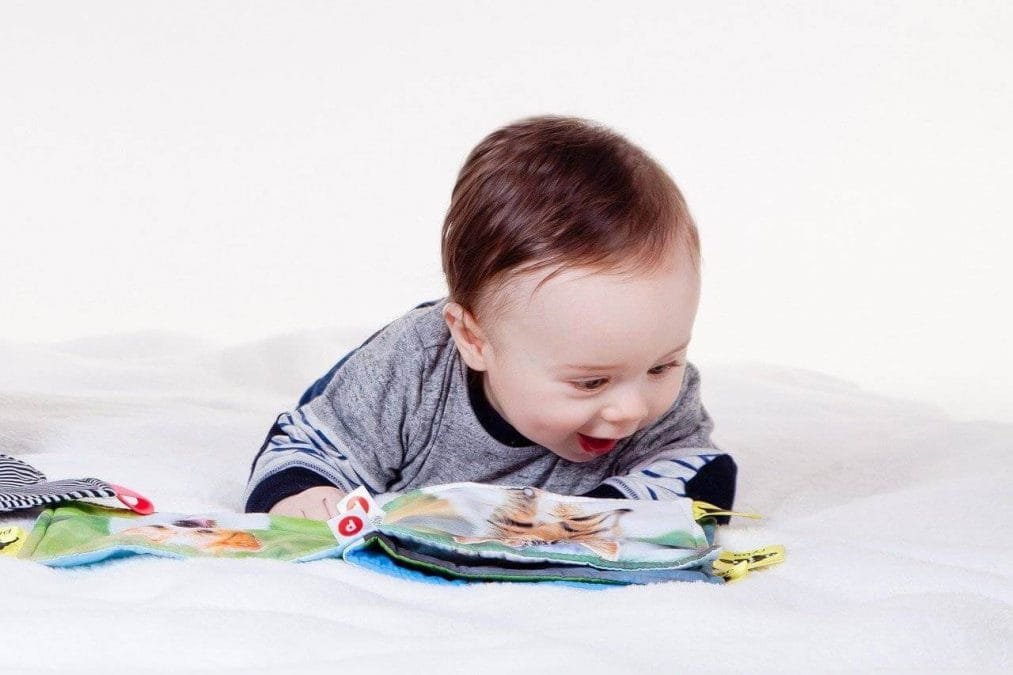
New study shows that a baby’s brain waves can predict IQ at age seven
Brain waves and child development: a new study shows a baby's EEG scan can reliably predict that same baby's IQ score at age seven.

Being thankful pays off: just saying hello to the bus driver makes people happier
A new study finds that being thankful, for example by saying hello to strangers, leads to enhanced feelings of happiness and well-being.

The psychology behind hoarding: what were the traits of hoarders during the pandemic?
A new study on the psychology behind hoarding finds people who stockpiled during the pandemic scored high on extraversion and neuroticism.

Guided meditation for seniors reduces depression, new study shows
A new meta-analysis of 19 previous studies has found that guided meditation for seniors is a promising avenue of treatment for depression in the elderly.