States of Matter: Understanding the Basics and Their Applications

States of matter are classified into solids, liquids, gases, and plasma, each displaying unique properties influenced by particle interactions, temperature, and pressure.


States of matter are classified into solids, liquids, gases, and plasma, each displaying unique properties influenced by particle interactions, temperature, and pressure.

Finding the right science tutor for your child can make a significant difference in their academic success. With the variety of options available, you can choose a tutor who specializes in the specific areas of science your child needs help…

The journey of the domestic cat from wild feline to beloved household pet is a tale of serendipity and human civilization.
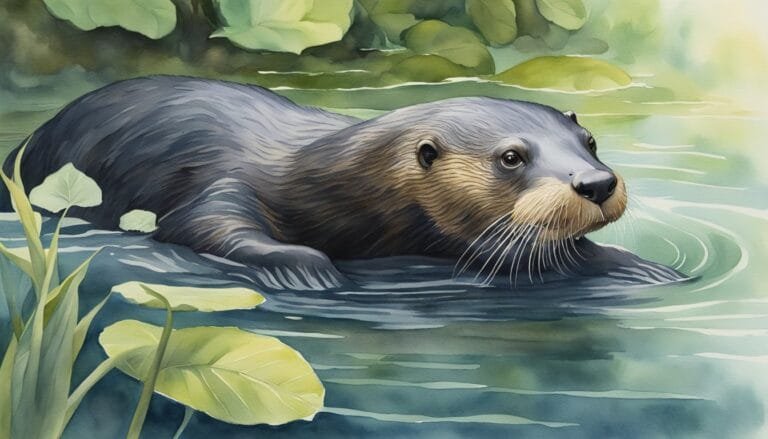
Giant otters are endangered, native to South American waters, living in river systems and flooded forests, possessing unique aquatic adaptations.

Homicide rates vary greatly worldwide, heavily influenced by local issues like gang violence and law enforcement.

In Australia, raptors like black kites, whistling kites, and brown falcons use burning sticks to spread wildfires and flush out prey, a behavior known as 'firehawking.'
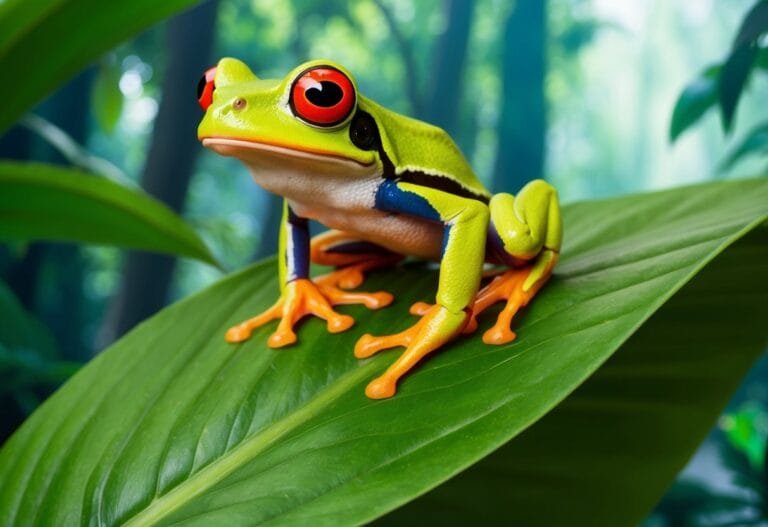
Red-eyed tree frogs are vibrant, Central American rainforest inhabitants known for their bright colors, tree-dwelling lifestyle, and unique escape tactics.
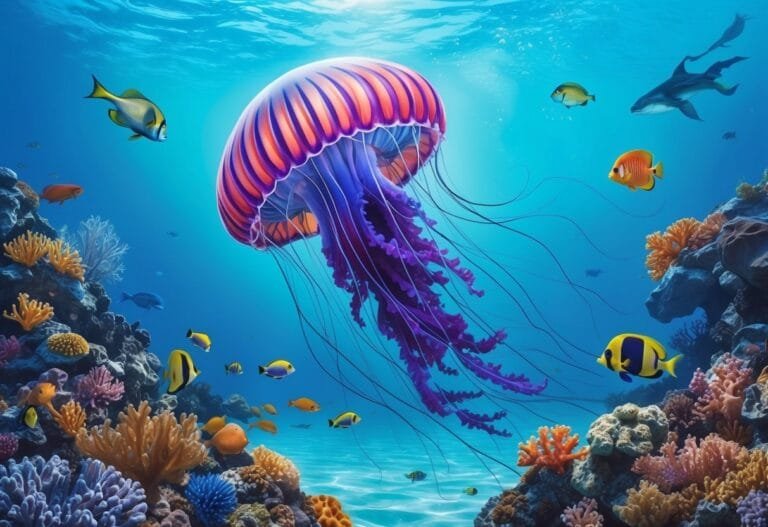
The 'immortal' jellyfish, scientifically known as Turritopsis dohrnii, can reverse its aging process and potentially live forever, captivating scientists.

Monitoring Mississippi River water levels requires understanding historical trends, hydrology, and measurement methods to manage floods and navigation.

Supination is an outward foot roll during walking or running, needing shoes with cushioning, arch support, and flexibility.