Dracula Ant: Nature’s Gentle Blood-Sipping Wonder
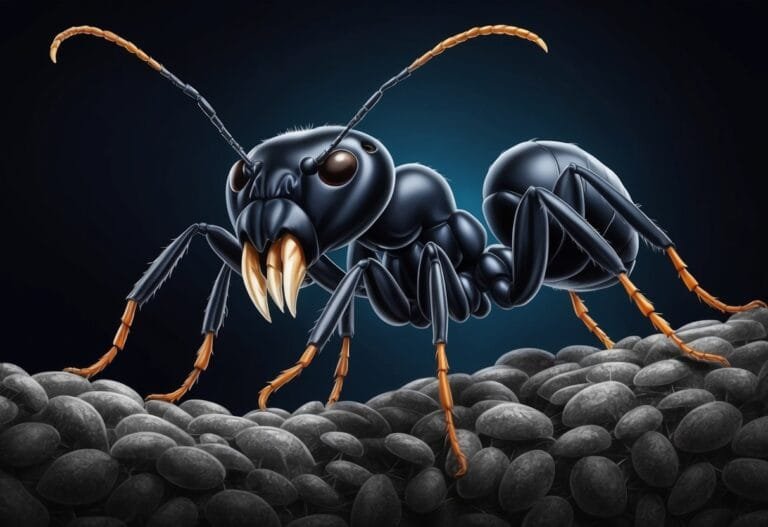
Dracula ants, Mystrium camillae, can snap their jaws shut at 200 mph, the fastest animal movement, and uniquely feed on the blood of their own larvae to survive.


Dracula ants, Mystrium camillae, can snap their jaws shut at 200 mph, the fastest animal movement, and uniquely feed on the blood of their own larvae to survive.

Some fish are extremely rare due to limited habitats, specialized diets, and human activities like overfishing. These rare species are crucial for maintaining marine biodiversity and healthy ecosystems. Conservation efforts are essential to protect these vulnerable fish.

Homeschooling your children gives you the freedom to customize their education, but it requires careful planning to stay organized. Balancing educational activities with daily life can be challenging, and finding the right schedule is essential for success. How can you…

Gulf Coast tropical storms are dynamic systems that arise from a mix of warm sea waters and atmospheric conditions, having varying impacts.

Deserts exhibit extreme climates, from intense heat to freezing cold, fostering unique ecosystems and weather patterns.
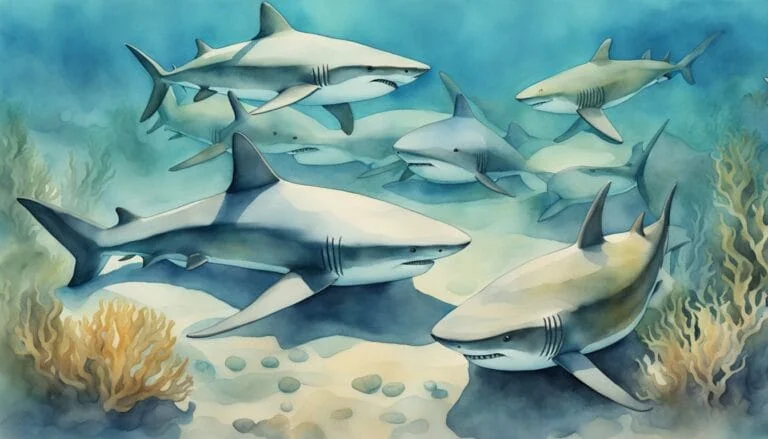
Sharks display unique resting behaviors instead of traditional sleep, utilizing physiological and respiratory adaptations for survival.

H.J. Heinz created the '57 Varieties' slogan in 1896 as a marketing tactic, despite making more than 57 products; the catchy number became iconic globally.
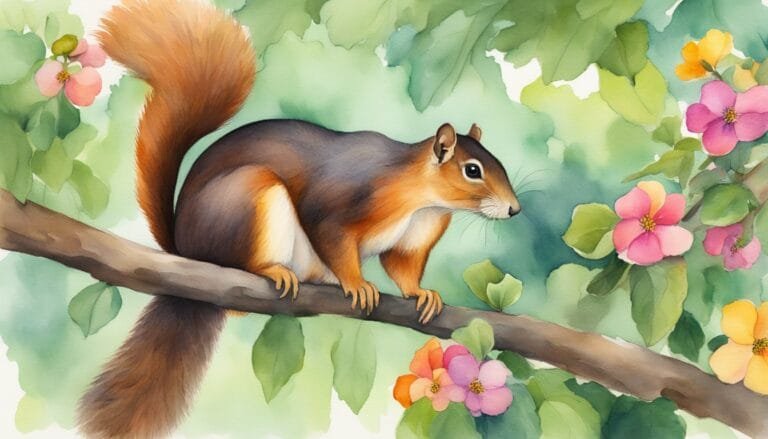
The Indian Giant Squirrel, notable for its vibrant fur and large size, is a colorful, arboreal rodent native to India's forests.

The development of the polio vaccine began with Dr. Jonas Salk's pivotal breakthrough in the early 1950s, the largest medical trial in history commenced in 1954, and the effective vaccine was announced in 1955.

This article examines how advanced electron microscopy techniques enable the high-resolution imaging of atoms, overcoming challenges like particle movement and sample complexity.