Why plant-based eating is growing in European cities, with Amsterdam as a case study

Climate research, health advice and city food policy are pushing Europeans toward more plant-based meals. Amsterdam shows how that shift looks on the ground.

Climate change, environmental conservation, and studies on the impact of human activities on the planet.
Climate research, health advice and city food policy are pushing Europeans toward more plant-based meals. Amsterdam shows how that shift looks on the ground.

Cobalt mining is essential for lithium-ion batteries in electric vehicles and electronics, facing challenges like environmental impact and ethical concerns.

Eight years after the nuclear disaster at Fukushima Daiichi, the site is under extensive decommissioning and rigorous safety monitoring.

Air pollution started in ancient times, worsened by the Industrial Revolution, and led to regulations after severe health events.

Released goldfish can become invasive, harming ecosystems by altering water quality and outcompeting native species.
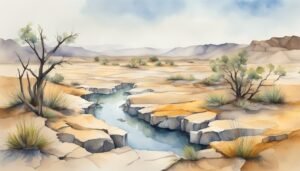
Access to freshwater is a concern essential to human survival, environmental health, and economic development. This examination of the Earth's water resources and the growing challenge of water scarcity provides insights into one of the most pressing issues of our time.

The 15-minute city, coined by Carlos Moreno in 2016, ensures daily needs are within a 15-minute walk or ride, enhancing life quality and sustainability.

Earth's climate has consistently fluctuated over 11,300 years, with notable temperature extremes like Death Valley's 134°F in 1913 and 129.2°F in Mitribah, Kuwait in 2016.

Ecuadorian Amazonia offers rich biodiversity and indigenous culture, ideal for adventure and discovering untouched natural beauty.

The Wood Wide Web refers to the intricate underground network connecting trees and fungi in forests, playing a vital role in nutrient exchange and overall forest health.