How Much Actually Gets Recycled: The Truth About Recycling Efficacy
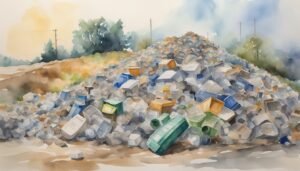
Globally, only about 9% of plastic waste is recycled due to numerous challenges, including technological limitations and poor waste management systems.

Climate change, environmental conservation, and studies on the impact of human activities on the planet.
Globally, only about 9% of plastic waste is recycled due to numerous challenges, including technological limitations and poor waste management systems.

Underground bees, which include species like miner bees, mason bees, leafcutter bees and bumble bees, are solitary ground nesters known for their unique nesting behaviors, vital pollination roles, and adaptation to different environments.

Grasslands, covering up to 40% of Earth, are key ecosystems dominated by grasses, moderate rainfall, and seasonal temperatures.

Species are defined based on features like reproductive isolation, genetic makeup, common ancestry, and ecological niches, each concept offering a unique perspective.

Natural climate change has played a pivotal role in shaping the Earth's environment well before human influence.

Explore the seismic activities in Tokyo, Japan. Learn about the impacts on infrastructure, transportation, and nuclear concerns after major earthquakes.

Sargassum from the Atlantic forms extensive mats, providing habitats but affecting beaches and marine life when decomposing.

Urbanization, tracing back to ancient Mesopotamia, has evolved from early city-states to modern megacities, significantly influencing societal structures and challenges.

Population collapse refers to a significant decline in the number of individuals within a species, group, or demographic.
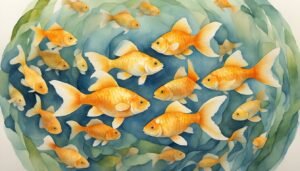
The recent surge in populations of giant goldfish in freshwater habitats has become an intriguing and concerning ecological development.