Hawaii Fires Cause: Eco Havoc Beyond the Beaches

Climate change, human negligence, natural weather conditions, and emergency response efforts are key factors in causing and managing Hawaii's wildfires.

Climate change, environmental conservation, and studies on the impact of human activities on the planet.
Climate change, human negligence, natural weather conditions, and emergency response efforts are key factors in causing and managing Hawaii's wildfires.

A carbon footprint measures the total greenhouse gas emissions from activities or products, essential for assessing climate impact.

Cigarette butts, made primarily of cellulose acetate, degrade slowly, releasing toxins and harming ecosystems.

Climate tipping points are critical thresholds where a tiny change can push the climate system into a dramatically different state.
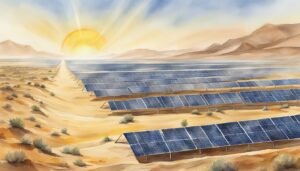
Desert solar energy offers immense potential due to high sunlight but faces challenges like habitat disruption and technological needs.

Frogs are vertebrates with specialized features like webbed digits and permeable skin that facilitate diverse habitat adaptation and respiration.

Rising global temperatures and increased greenhouse gases are the main causes of ice melting, affecting sea levels and climate dynamics.

Wetlands are dynamic ecosystems that provide vital resources and habitats, require careful conservation efforts, and are classified into different types such as swamps, marshes, bogs, and fens based on their unique characteristics.

Built in the 1980s in Arizona, Biosphere 2 is a vast, enclosed ecological system designed for studying ecosystems and human interaction, housing researchers and serving as a model for sustainable living.

Tropical rainforests, located near the Equator, are hot, humid ecosystems with diverse flora and fauna, receiving over 80 inches of rain annually.