Fish Farming Essentials: Sustainable Aquaculture Practices
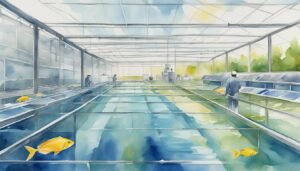
Fish farming or aquaculture involves raising fish in controlled environments like tanks or ponds for food, using methods like extensive and intensive farming.

Climate change, environmental conservation, and studies on the impact of human activities on the planet.
Fish farming or aquaculture involves raising fish in controlled environments like tanks or ponds for food, using methods like extensive and intensive farming.

Corn production in the U.S. is a tale of innovation and hard work, with key states like Iowa and Illinois driving the narrative.

Only about 9% of plastic gets recycled globally; rates vary by material.

Wild hogs are adaptive creatures with robust biology and high reproduction rates, living in various habitats as both wildlife and invasive species.

Texas experiences extreme heat due to its southern location, climate patterns, and the increasing impact of climate change, leading to heat waves, droughts, and flooding cycles with significant public health risks.

Climate is characterized by long-term weather patterns determined by factors like temperature, precipitation, and atmospheric elements.

Plastic Islands are large ocean areas where plastic waste accumulates, the largest being the Great Pacific Garbage Patch. They primarily consist of floating debris, microplastics, and larger items like fishing nets.

The Euphrates River is drying up due to factors such as dam construction, climate change, and drought, threatening water supply for over 23 million people and affecting wildlife.

Nuclear fusion stands at the forefront of potential energy sources for the future, harnessing the power that fuels the stars. This process involves light atomic nuclei merging to form heavier ones and releasing incredible amounts of energy.
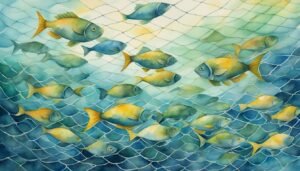
Overfishing, exacerbated by advanced technologies and harmful subsidies, threatens marine biodiversity and economic stability, necessitating sustainable management and global cooperation.