Air Electricity: Harnessing the Sky for Renewable Energy

The Air-gen device, using nanowires and humidity, offers a new method for generating renewable electricity from the air.

Climate change, environmental conservation, and studies on the impact of human activities on the planet.
The Air-gen device, using nanowires and humidity, offers a new method for generating renewable electricity from the air.

The article explores how birth control hormones enter water systems, their ecological and health impacts, and the measures taken to mitigate their presence.

The Endangered Species Act, enacted in 1973 in the U.S., aims to prevent species extinction through measures like species listing and habitat protection.
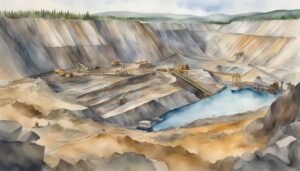
Rare earth elements (REEs) are vital to modern technologies and a growing green economy, due to their unique magnetic and electrochemical properties.

The Congo River is crucial for its ecological, economic, and cultural roles in Africa, impacting biodiversity and development.

Airplane contrails are clouds formed from water vapor in aircraft exhaust, influencing climate and air quality.

The tragic events at Tokaimura rocked Japan with unprecedented levels of radiation exposure, leading to critical medical situations for workers including Hisashi Ouchi.

Research shows microbes and insects like waxworms can degrade plastic, offering solutions to global plastic pollution.

Direct air capture (DAC) is a technological approach to remove carbon dioxide (CO2) from the atmosphere, playing a crucial role in global efforts toward achieving net zero emissions.

Life first appeared on Earth around 3.5 to 3.8 billion years ago, in the form of microbes.