How Many Days to Make a Habit: Unveiling the Truth Behind Habit Formation

Habit formation varies, typically taking around 66 days, influenced by behavior complexity and personal commitment.


Habit formation varies, typically taking around 66 days, influenced by behavior complexity and personal commitment.
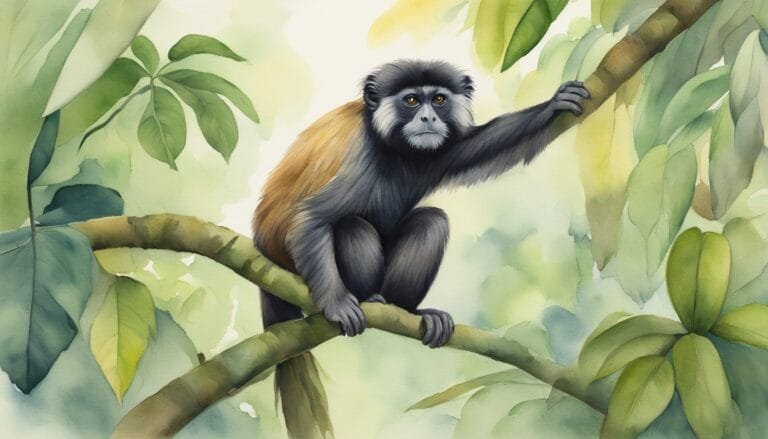
Tamarin monkeys, small primates in Central and South America, vary in size and color, live in rainforests, and face threats like habitat destruction.
Instructions for entering trip distance, fuel efficiency, gas price, and obtaining estimated fuel cost.
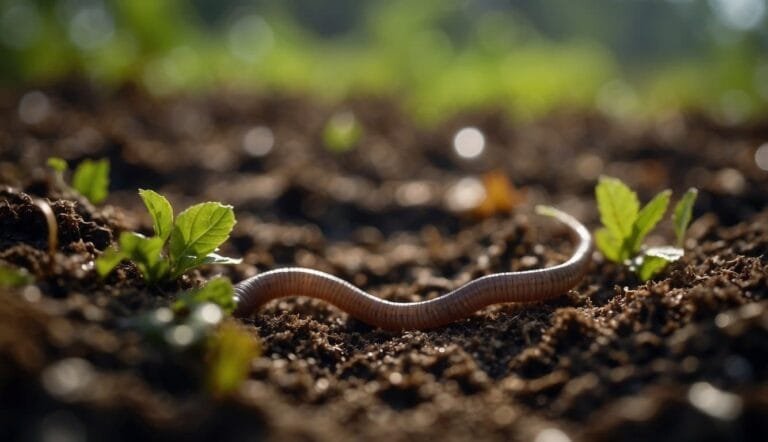
Worms are a diverse group of invertebrate animals that inhabit various ecosystems worldwide. There are several major groups of worms, each with unique characteristics and biological importance.
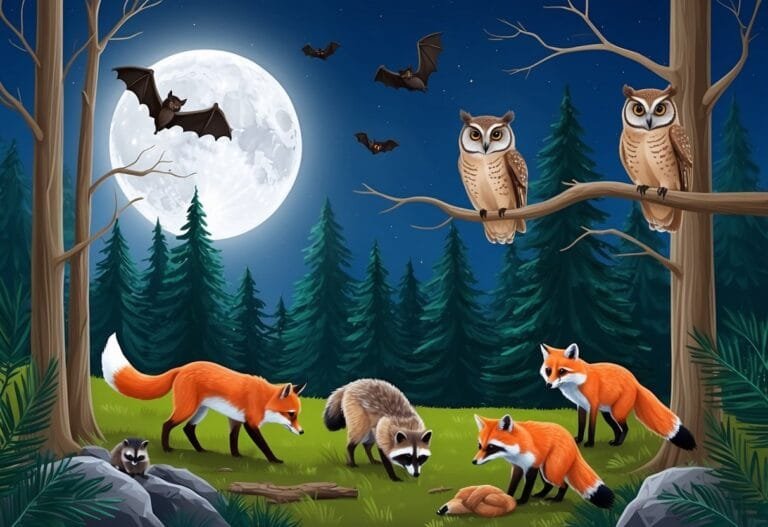
Nocturnal animals are active at night and have special traits like big eyes, strong senses of smell and hearing to thrive in the dark.

National Geographic Journeys offer unique educational experiences that blend adventure with immersive cultural and wildlife encounters.
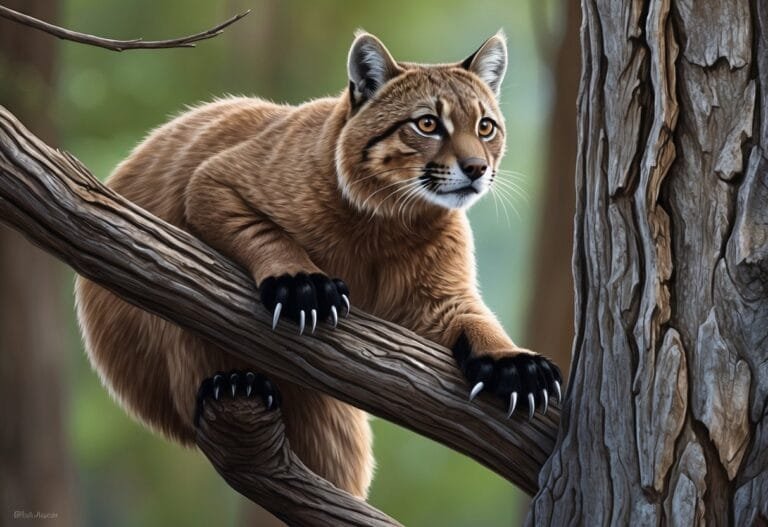
The bearcat, or binturong, is neither a bear nor a cat; it lives in Southeast Asian forests, has cat-like faces, prehensile tails, and smells like popcorn.

Organic farming follows strict ecological balance, biodiversity, and soil fertility guidelines set by the USDA's National Organic Program (NOP).

Edgar Degas, famed for his scenes of Parisian life and ballet, profoundly influenced Impressionism with his realistic and impressionistic depictions.

Preparing for the Project Management Professional (PMP) exam can be daunting. The right study guides can make a substantial difference in how you navigate this complex exam. These study materials will provide you with the structured guidance you need to…