The Louisiana Purchase: America’s Biggest Land Deal Explained
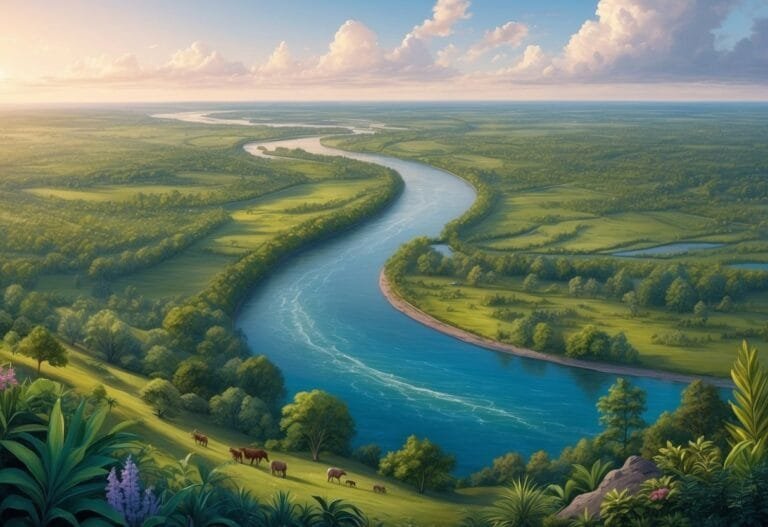
In 1803, the U.S. bought the vast Louisiana Territory from France for $15 million, doubling its size and gaining control of the Mississippi River, boosting trade and westward expansion.


In 1803, the U.S. bought the vast Louisiana Territory from France for $15 million, doubling its size and gaining control of the Mississippi River, boosting trade and westward expansion.

Vitamin D3, more effective than D2, is sourced from sunlight, certain foods, and supplements, and is crucial for bone health and preventing deficiencies.

Clowns evolved from ancient jesters to modern entertainers, adapting to cultural changes over the centuries.

Fingerprints generally grow back after minor injuries, maintaining their unique pattern, but severe damage may cause disruption due to scar tissue.
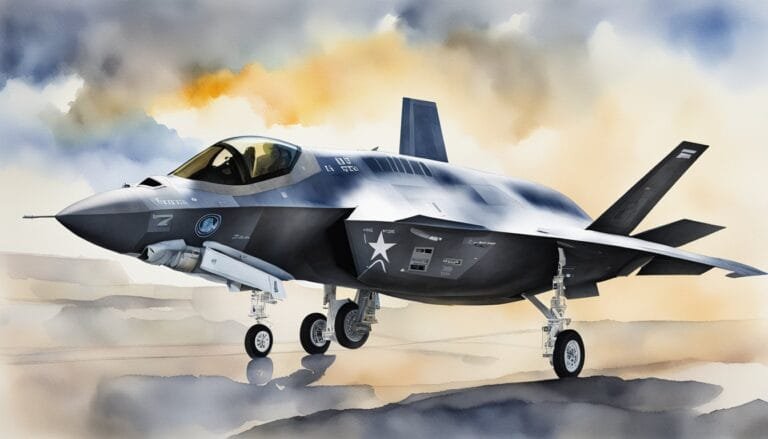
The F-35 helmet integrates advanced technologies to enhance pilots' situational awareness and operational capabilities.

Early civilizations developed from agrarian societies, using technological innovations and structured governance, and formed the basis of modern society.

Two-Spirit identity in Native American cultures blends gender diversity with spirituality, shaped by tribal traditions and histories.
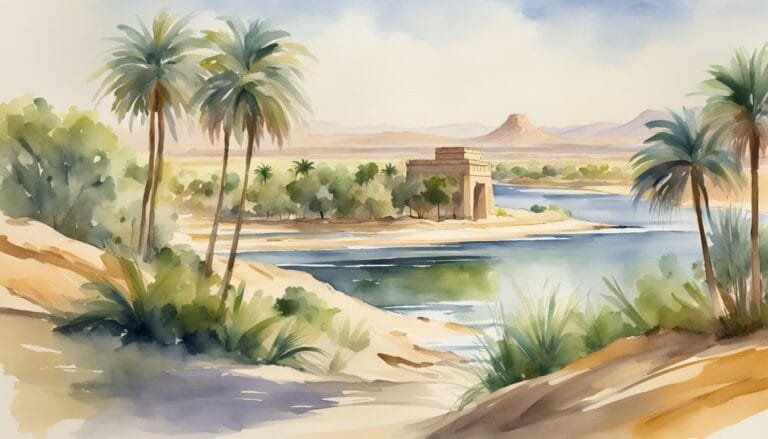
The Nile River, essential for Egypt's agriculture, stretches 6,650 km from Central Africa to the Mediterranean, forming fertile lands and the populous Nile Delta.

Sea lions are fascinating marine mammals known for their playful nature and intelligence.

Alan Turing excelled in mathematics early on, studied at Cambridge and Princeton, and made major contributions to computer science and cryptanalysis.