7 Wonders of the Natural World Explained by Science: A Fascinating Journey

This article explores seven natural wonders, focusing on the scientific principles that make them extraordinary.


This article explores seven natural wonders, focusing on the scientific principles that make them extraordinary.
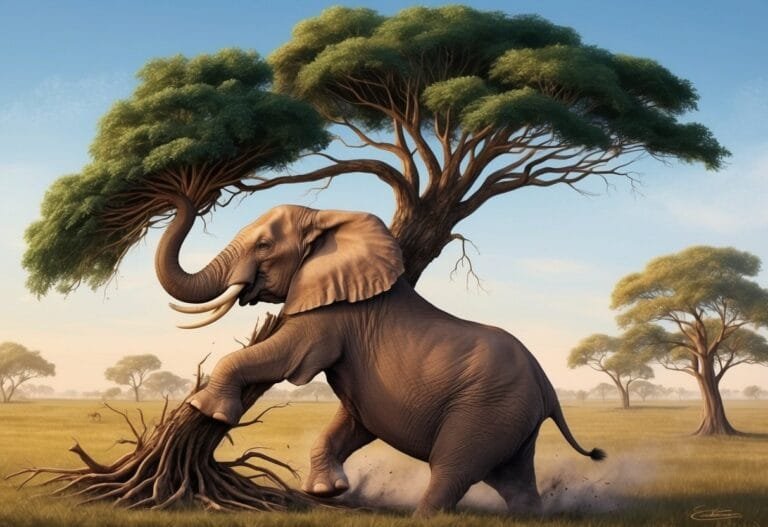
Animals exhibit both relative and absolute strength, with examples like elephants lifting 9,000 kg and ants carrying 50 times their weight, showcasing diverse power.

Depression affects cognitive health by impairing memory function and reducing the ability to focus, store new memories, and make decisions.

A new meta-analysis finds that romantic partners generally share similar attractiveness levels, and also accurately estimate their own attractiveness.

Keeping track of assignments, projects, and deadlines can be overwhelming for students. Using the right study planner tools can help you stay organized and manage your time effectively. Whether you prefer traditional paper planners or modern apps, there are plenty…

Angelo Moriondo, born in Turin, Italy, invented the first known espresso machine in 1884, revolutionizing coffee culture.

Finding the right tutoring program for a child with dyslexia can be a challenging task, but it’s crucial for their academic success and confidence. Dyslexia is a learning difference that affects reading, spelling, and writing, making tailored support essential. This…

Humans can't walk on water due to insufficient surface area on our feet, weak water surface tension, and our high body density; only some lightweight animals can do so.

Pi (π) is a significant mathematical constant that represents the ratio of a circle's circumference to its diameter, historically studied by ancient civilizations and crucial in various mathematical formulations.
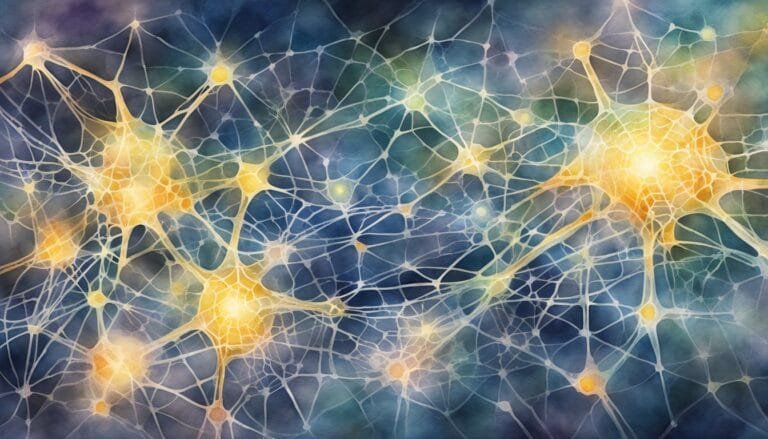
Memory formation, spatial navigation, and emotional regulation are key activities performed by the hippocampus in the brain.