What Animal Kills the Most Humans: Surprising Top Perpetrators Revealed
Mosquitoes are the deadliest animals to humans, spreading diseases like malaria, dengue fever, Zika virus, West Nile virus, and yellow fever.


Mosquitoes are the deadliest animals to humans, spreading diseases like malaria, dengue fever, Zika virus, West Nile virus, and yellow fever.

Throughout history, beliefs about Earth’s shape varied globally, with the flat earth theory being prominent until evidence for a spherical Earth emerged.

Plastic pollution primarily originates from single-use products and affects oceans, wildlife, and human health, requiring global cooperation and improved recycling.

The Matterhorn is not just a mountain; it's a captivating natural wonder that beckons climbers and tourists alike with its unique pyramidal shape and challenging terrain.

The Line is a visionary urban development project in Saudi Arabia, creating a car-free linear city with a focus on sustainability and nature conservation.
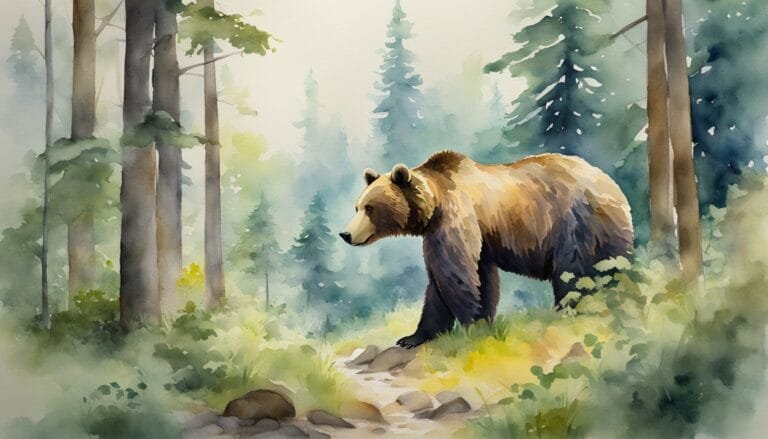
Grizzly bears, or Ursus arctos, have distinct features and diets, thriving in diverse North American habitats.
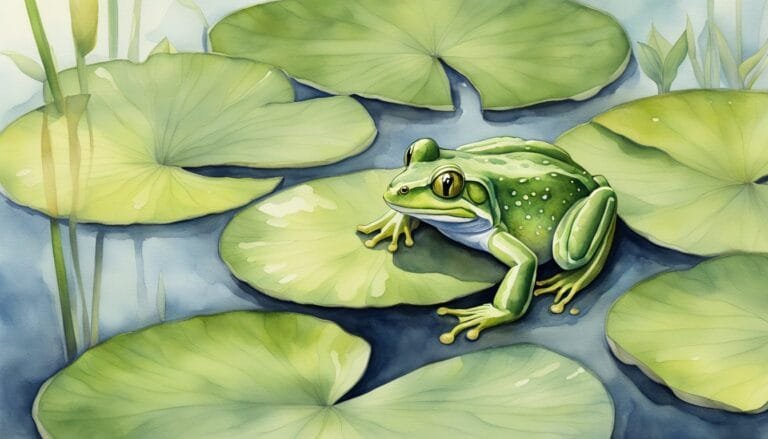
Amphibians, vital for biodiversity, thrive in diverse habitats by adapting features for both water and land living.

Gene editing allows for precise modification of an organism's DNA, opening new possibilities in disease treatment and life sciences.
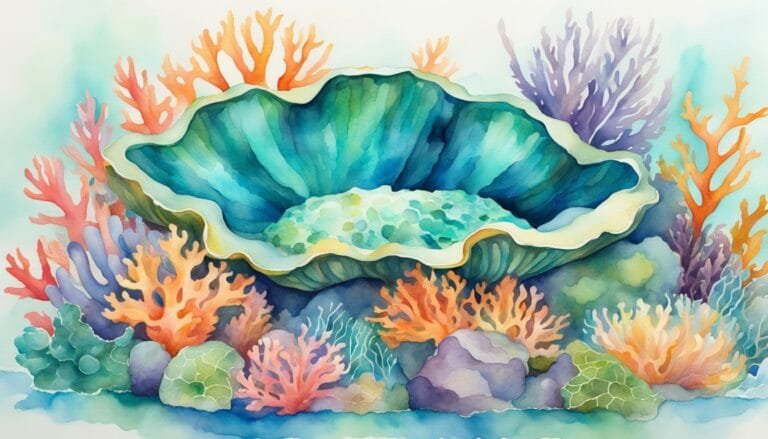
Giant clams are the largest bivalve molluscs, vital to coral reef ecosystems, and form symbiotic relationships with algae.
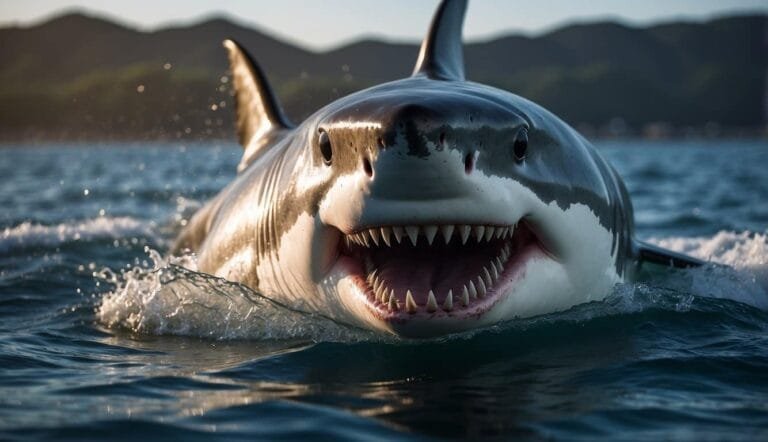
Great white sharks, apex predators of the ocean, captivate with their impressive hunting skills and often misunderstood nature.