Bear Gallbladders: Unveiling the Controversial Trade and Its Impact on Wildlife

Bears produce bile stored in the gallbladder, rich in ursodiol for breaking down fats, traditionally used in TCM despite ethical concerns.


Bears produce bile stored in the gallbladder, rich in ursodiol for breaking down fats, traditionally used in TCM despite ethical concerns.

Funnel-web spiders, noted for their deadly venom and unique webs, are mainly found in Eastern Australia, showcasing significant biodiversity.

Janus holds a unique position as the Roman god presiding over beginnings and transitions, often depicted as having two faces that look both to the future and the past.

Understanding the intersection of biology and technology reveals innovative techniques using specific frequencies to target and destroy cancer cells while preserving healthy tissue.
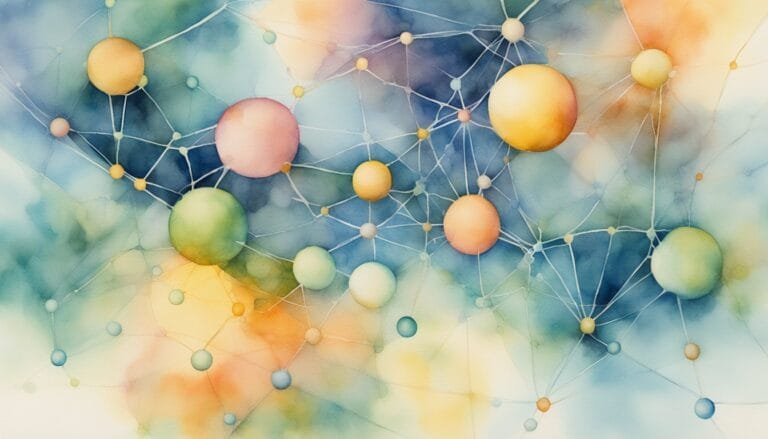
Entanglement is a phenomenon in quantum mechanics where particles become linked together regardless of distance, challenging classical physics and leading to revolutionary technologies.

Wildlife crossings are structures that allow animals to cross human-made barriers safely, reducing wildlife-vehicle collisions and supporting biodiversity.
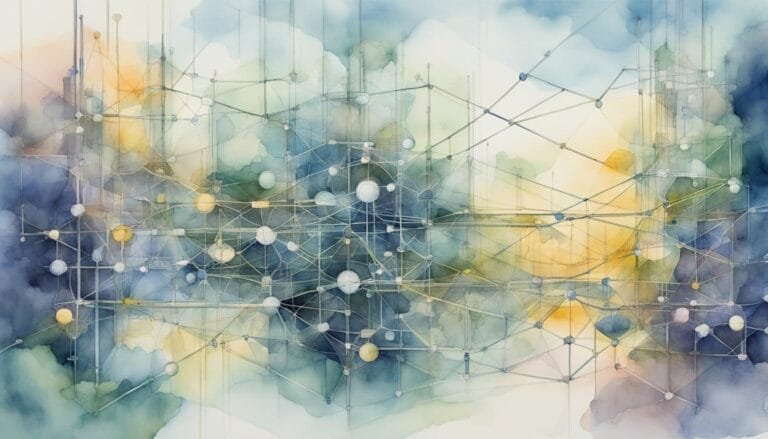
Homeostasis is the self-regulating process by which biological systems maintain a stable internal environment.

Alphafold, developed by DeepMind, symbolizes a revolutionary leap in the field of biology, employing artificial intelligence to predict protein structures with remarkable accuracy, fundamentally changing the landscape of scientific research.
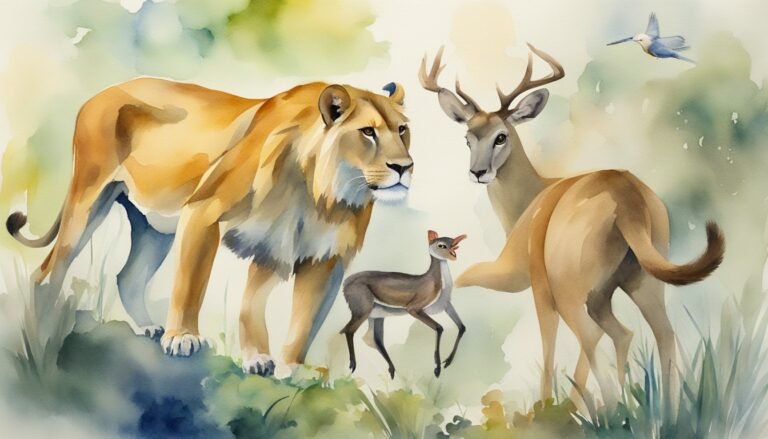
Animals are multicellular, eukaryotic organisms in the kingdom Animalia, characterized by movement, specialized cells, and energy from consuming others.
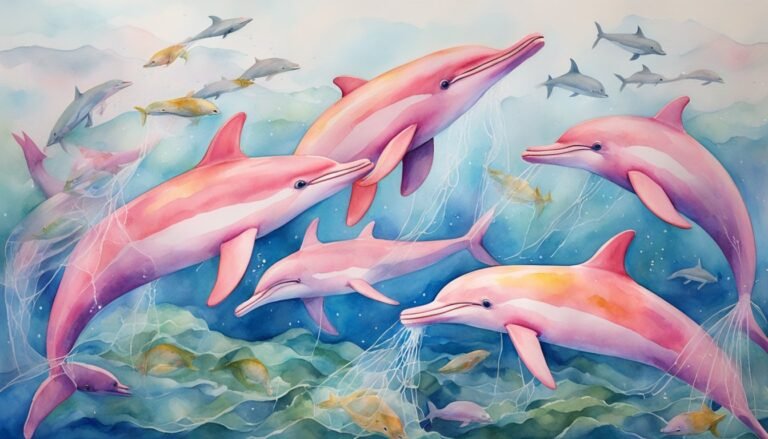
Pink dolphins, known as Inia geoffrensis, thrive in South America's freshwater ecosystems, face threats from human activities, and are a focus of conservation efforts.