Pocahontas Real Story: Unraveling the Truth Behind the Legend
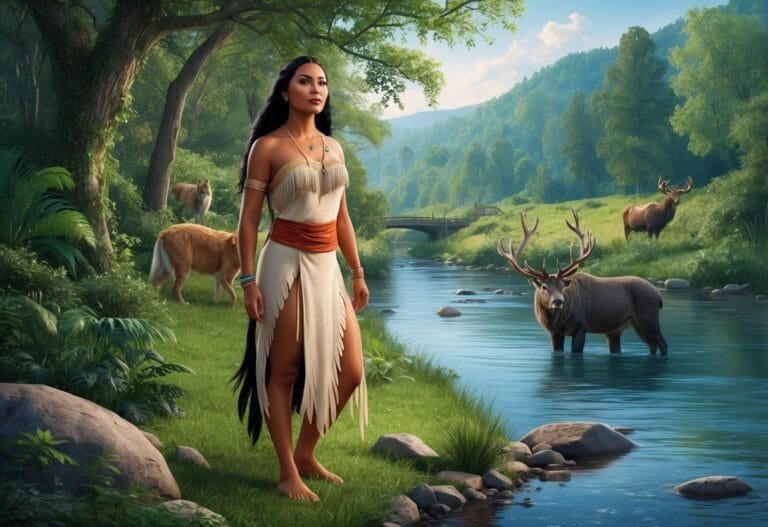
Pocahontas was a Native American girl named Matoaka who acted as a translator and diplomat between her people and English settlers, not a princess involved in a romance with John Smith.


Pocahontas was a Native American girl named Matoaka who acted as a translator and diplomat between her people and English settlers, not a princess involved in a romance with John Smith.

Nature papers encompass a wide range of disciplines and go through rigorous peer review, contributing significantly to the global scientific dialogue and shaping our understanding of the universe and our planet.

Electromagnetic kits offer practical, hands-on experiences to explore and understand electricity and magnetism, using components like coils and magnets.
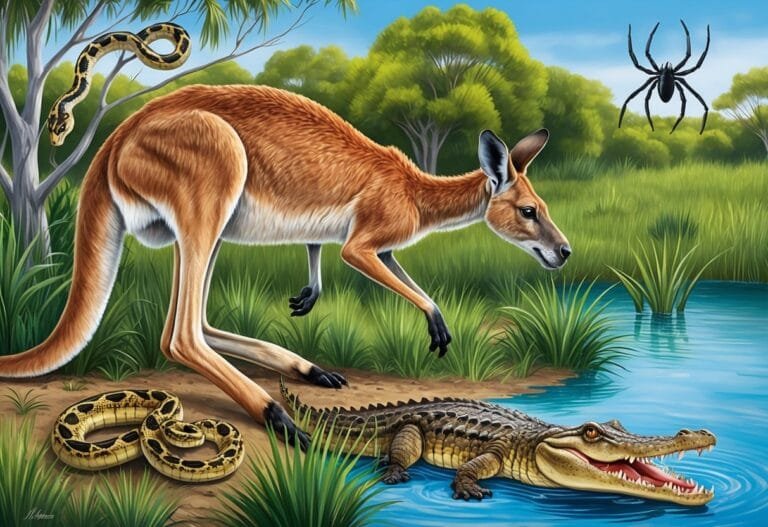
Australia's long isolation and unique evolutionary history led to a high number of deadly animals, evolving potent venom and diverse defense mechanisms.
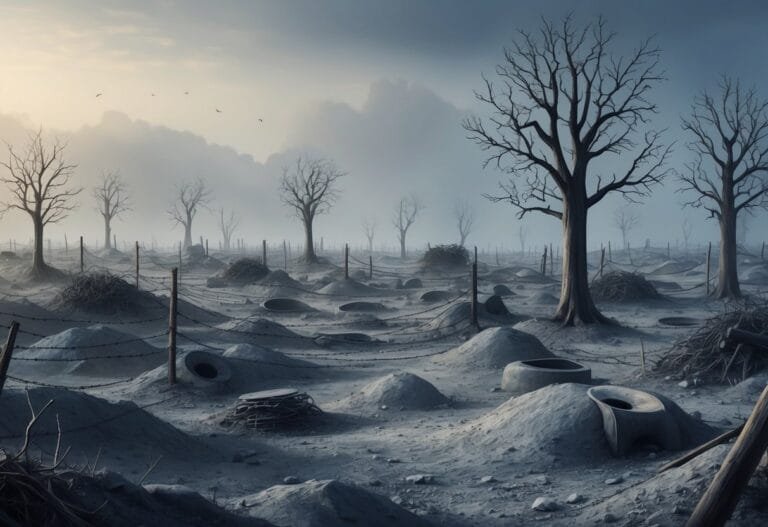
No Man's Land was a treacherous area between enemy trenches in WWI, filled with dangers like barbed wire and mines, symbolizing the war's horror and waste of life.
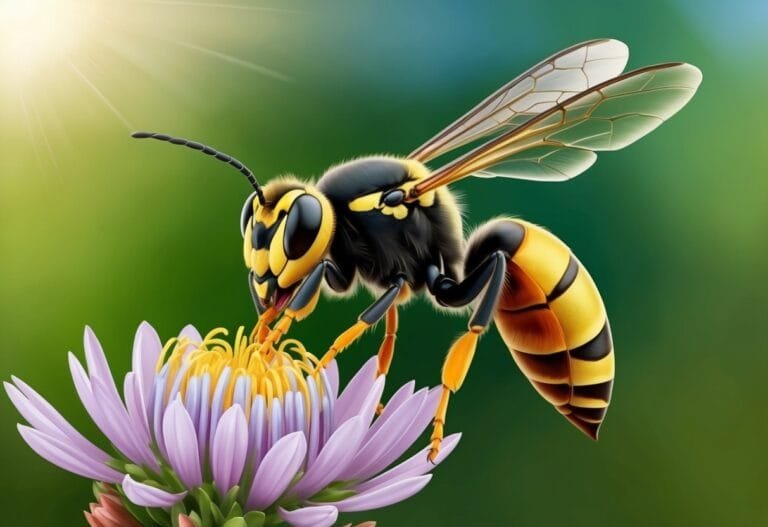
Hornets, large and feared social wasps, are crucial predators and pollinators, mostly in Asia and Europe; they build large, protected nests and have unique features distinguishing them from other wasps.
A new study has uncovered that about one in eight adults have a surprising fondness for intensely sour foods, challenging the long-standing belief that adults generally avoid tartness.
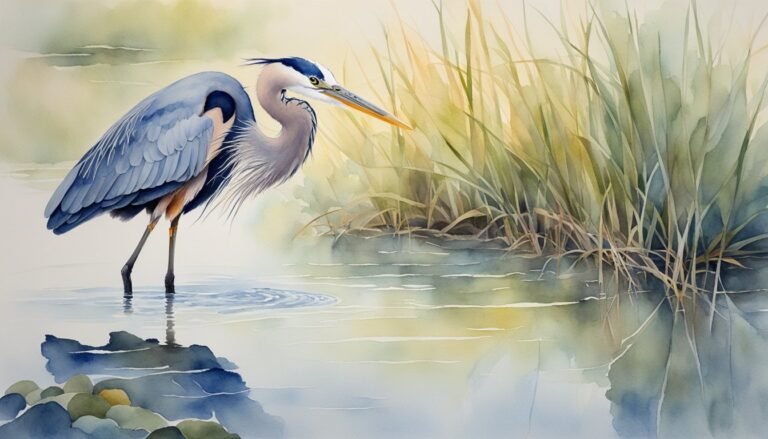
The Great Blue Heron is the largest North American heron, known for its blue-gray plumage and diverse habitats across the Americas.
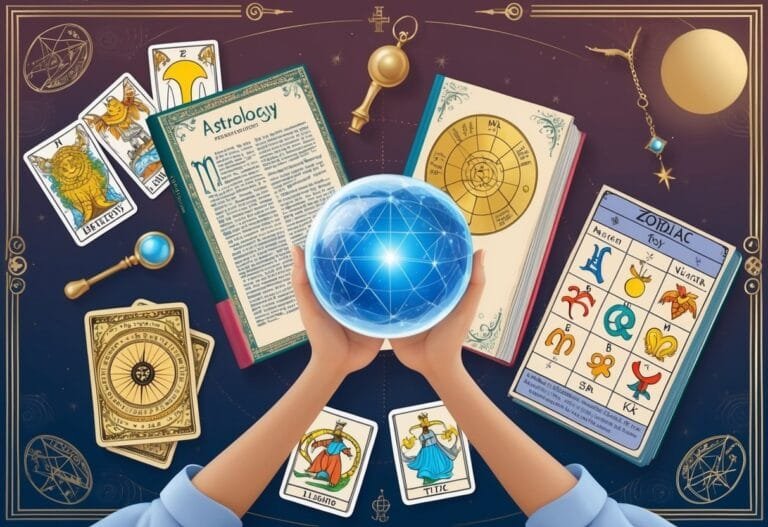
Pseudoscience mimics science but lacks proper methods or evidence, making unverifiable claims; distinguishing it from true science, which adapts when faced with new evidence, is known as the demarcation problem.
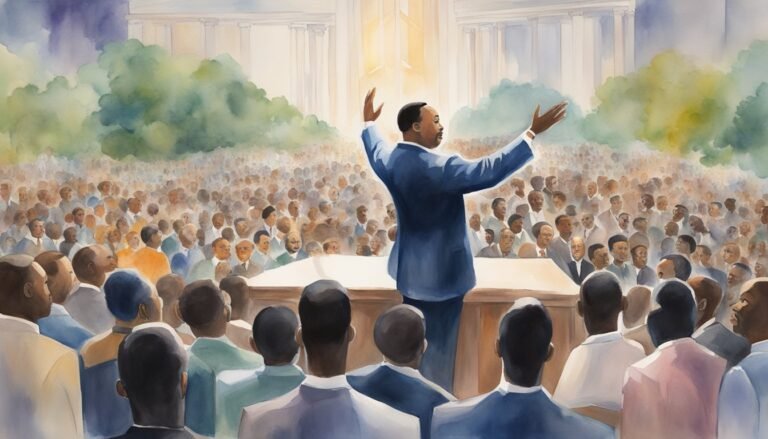
Martin Luther King Jr. championed civil rights through nonviolence, inspiring global human rights movements and leaving a lasting legacy.