Are Sharks Colorblind? Unveiling the Visual Capabilities of Marine Predators
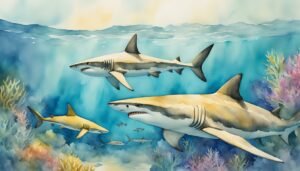
Sharks have evolved specialized vision, utilizing rod and cone cells in their retinas, with ongoing research into their color perception abilities.

Sharks have evolved specialized vision, utilizing rod and cone cells in their retinas, with ongoing research into their color perception abilities.
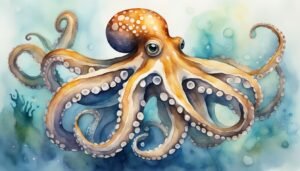
The common octopus is a complex, highly adaptive marine invertebrate with advanced sensory systems and cognitive abilities.

Monk seals, in genus Neomonachus, face significant conservation challenges; two species remain, with Hawaiian monk seals critically endangered.

Whale sharks are the ocean's largest fish, known for their gentle nature and unique filter-feeding behavior.

Lobsters are marine crustaceans with distinct claws and bodies, classified into clawed and spiny types, and known for complex behaviors.

Robert Wadlow, the tallest man recorded, reached 8 ft 11.1 in due to an overactive pituitary gland.

Musk oxen are Arctic hoofed mammals adapted to cold environments, known for their shaggy coats and social herding behavior.

Elephant poaching, driven by ivory demand, critically endangers their survival, requiring global and community-based anti-poaching efforts.

Glass frogs are distinguished by their translucent skin for visibility of internal organs, offering exceptional camouflage in their habitat.

Flying squirrels are nocturnal, gliding mammals with diverse diets and behaviors, facing conservation challenges.