Ducks: Understanding the Habits and Habitats of Waterfowl

Understanding ducks involves their unique anatomy, such as waterproof feathers and a flat bill, and their adaptability to diverse habitats worldwide.

Understanding ducks involves their unique anatomy, such as waterproof feathers and a flat bill, and their adaptability to diverse habitats worldwide.
This article explores the biology, habitat, behavior, and scientific interest in the elusive giant squid, known scientifically as Architeuthis dux.
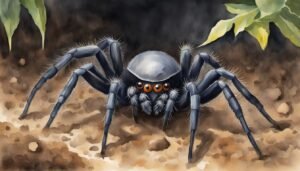
Funnel-web spiders, noted for their deadly venom and unique webs, are mainly found in Eastern Australia, showcasing significant biodiversity.

Pink dolphins, known as Inia geoffrensis, thrive in South America's freshwater ecosystems, face threats from human activities, and are a focus of conservation efforts.

The guanaco is a resilient South American camelid vital to its high-altitude ecosystems, closely related to llamas and camels.
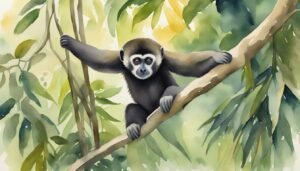
Gibbons are agile, monogamous tree-dwellers known for their unique vocalizations and brachiation, facing threats like deforestation and poaching.

The article explores how science fiction and real science shape our understanding of possible extraterrestrial life forms.

The olive ridley turtle, known for its unique carapace and arribada nesting, faces extinction threats despite being the most abundant sea turtle.

Hornbills, from the Bucerotidae family, display diverse sizes and vibrant feathers, inhabit varied ecosystems, and face survival threats.

This article explores the physical traits, habitats, diet, migration, and reproduction of American and European robins.