Original Meaning of Easter: Exploring Its Historical Significance

Easter's meaning has evolved over centuries, blending pagan practices with Christian beliefs to commemorate the resurrection of Jesus.

Easter's meaning has evolved over centuries, blending pagan practices with Christian beliefs to commemorate the resurrection of Jesus.
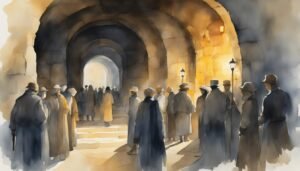
The Paris Catacombs were created to solve the 18th-century crisis of overcrowded cemeteries by relocating remains to old quarries.

Bunker Hill is a site steeped in American history, known for its strategic location and pivotal role in the early stages of the American Revolution.

Roger Williams's early life was defined by rigorous education and key mentors, shaping his views on church-state separation.

Secret societies have historically influenced politics, culture, and society through secretive, ritualistic practices and exclusive membership.

Ötzi, a mummified man found in the Italian Alps, had 61 tattoos that researchers speculate served a therapeutic purpose.
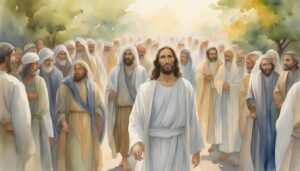
Mary Magdalene and other disciples were the first to witness the resurrected Jesus, affirming the truth of his resurrection.
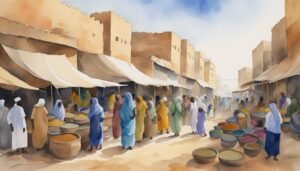
Timbuktu was an ancient Malian trade hub and a center of Islamic learning, flourishing under the Ghana, Mali, and Songhai Empires.

George Washington was born in 1732 in Virginia, married Martha and raised her children, managed Mount Vernon, and experimented with farming.

The moai statues of Easter Island symbolize the ancestral and cultural heritage of the Rapa Nui, showcasing their stonework and religious beliefs.