Why Do We Die: Unraveling the Mystery of Mortality

Death results from aging, genetics, and cellular decay, with research into longevity seeking to extend life despite ethical concerns.

Death results from aging, genetics, and cellular decay, with research into longevity seeking to extend life despite ethical concerns.

The global count of countries is 195, based on UN recognition and criteria for statehood.

Scientific experiments can spark debate when they challenge societal values or ethical standards.

Dr. Michelle Oakley is a dedicated veterinarian and TV personality, known for her work with wildlife in Yukon and her show on National Geographic.

The Hawaiian Islands are a volcanic archipelago in the Pacific, known for stunning landscapes, rich history, and unique flora and fauna.

Time travel theories often face logical hurdles like the grandfather paradox and closed time-like curves, raising complex questions about causality and the nature of reality.

As of 2024, the global population stands at roughly 8.1 billion, growing at a slower rate of 0.91% annually, with China and India being the most populous.
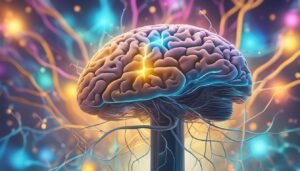
This article explores the human brain, highlighting that it uses 20% of the body's energy and has about 86 billion neurons.

Unlock the mystery of perfect pitch, a remarkable musical ability, and tune into the science of identifying notes without a reference.

When an aircraft exceeds the speed of sound, they break the sound barrier, creating a sonic boom.