
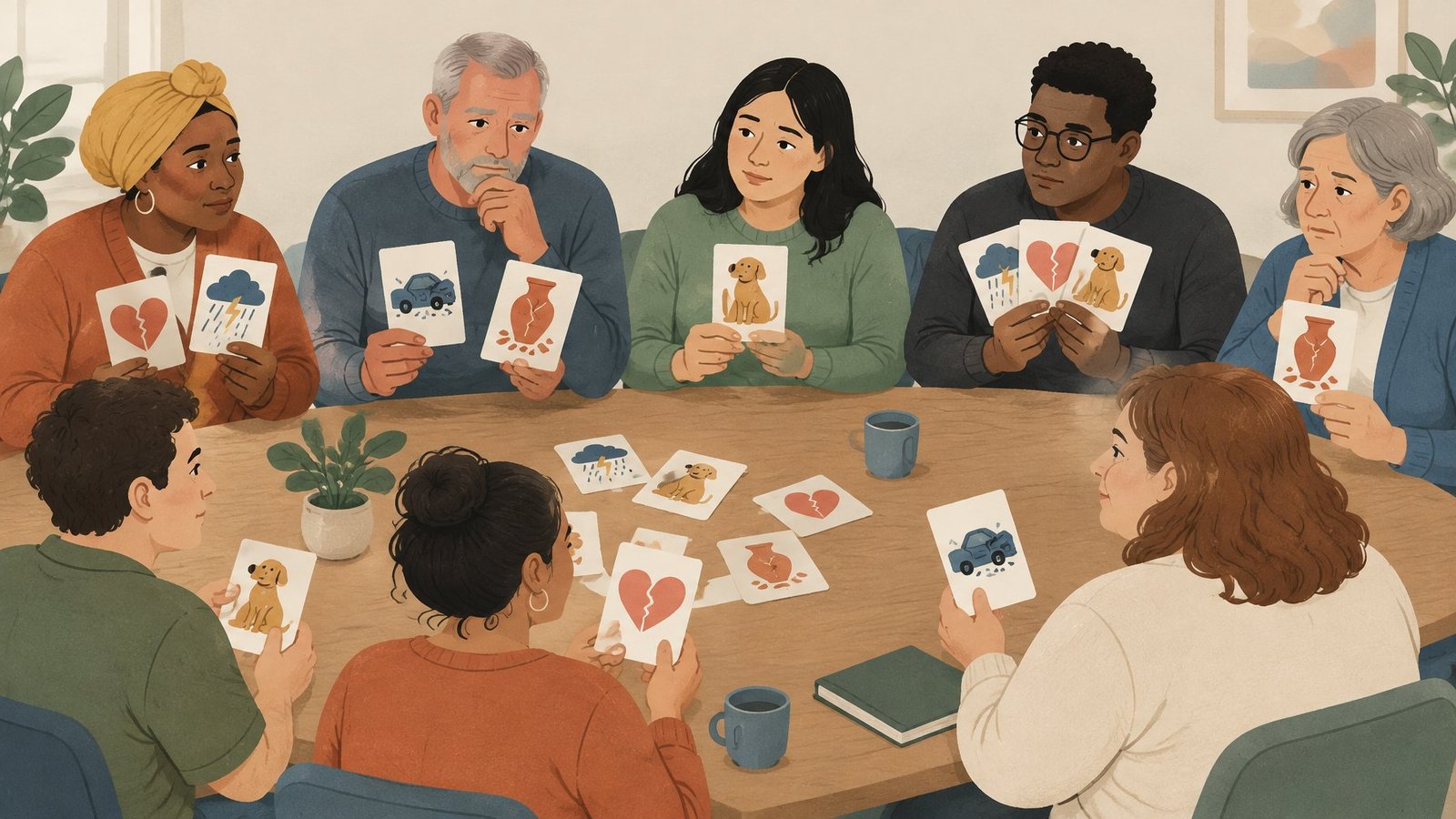
What counts as trauma depends partly on who you ask. A UK survey finds that people on the political left, older people and members of ethnic minorities are more ready to call a wide range of hardships traumatic.
The study, by Cliodhna O’Connor of University College Dublin, Cherie Armour of Queen’s University Belfast and Helene Joffe of University College London, was published online in Psychological Trauma: Theory, Research, Practice, and Policy on December 7, 2023.
Rating 80 hardships
Clinical definitions of trauma have widened since post-traumatic stress disorder entered the psychiatric manual in 1980, when it required an event outside the range of usual human experience. Researchers describe trauma as a prime example of “concept creep,” where harm-related words stretch to cover milder experiences. Yet there has been little direct data on how ordinary people draw the line.
In April 2023, the team recruited 214 UK adults through the Prolific platform, balanced for age and gender. Participants rated how traumatic 80 experiences typically are, from 1 (no trauma) to 7 (extreme trauma). Half were classic triggers found in clinical trauma measures, such as the murder of a loved one or childhood abuse. The other half were milder adversities not usually counted, such as a relationship breakdown or failing an important exam.
A wide net
The classic triggers were rated as more traumatic on average, 5.52 against 4.08. The top ten all involved bereavement, sexual violation or violence, and murder of a loved one ranked first.
But the public’s net was wide: 76% of the 80 experiences scored above the scale’s midpoint. Facial disfigurement (5.82) and being falsely accused of a crime (5.30) landed in the top half, and the sudden death of a much-loved pet scored 5.11, level with robbery at 5.12. At the bottom were the electoral success of a disliked politician (2.34), exposure to information about climate change (2.40) and losing one’s religious faith (2.60).
Opinion split most on items such as viewing a gruesome video clip, abortion, giving birth without complications and being the target of a social media pile-on.
Who sees more trauma
A model with seven background factors explained 11.2% of the variation in how readily people labelled events traumatic, and three of them stood out. More left-wing participants rated experiences as more traumatic, as did older participants and those from ethnic minorities. Gender, religiosity and how many of the adversities people had lived through themselves made no significant difference. The same pattern held for both the classic and the milder items.
The political link matches earlier work showing liberals hold broader concepts of harm. The age result runs the other way: earlier research found younger people had broader harm concepts, but here older people imputed more trauma. The authors call the ethnic minority finding novel.
The authors describe the study as preliminary. The sample came from one online platform, advertising a trauma study may have drawn people with trauma experience (82% said they had lived through something traumatic), and short item descriptions left room for different readings. Their results point to a practical consequence: whether someone calls a setback trauma may shape how they and others respond to it.
Study Details:
- Title: Lay Concepts of Trauma in the United Kingdom: Content and Predictors
- Authors: Cliodhna O’Connor, Cherie Armour, Helene Joffe
- Journal: Psychological Trauma: Theory, Research, Practice, and Policy
- Publication Date: December 7, 2023
- DOI: 10.1037/tra0001620