
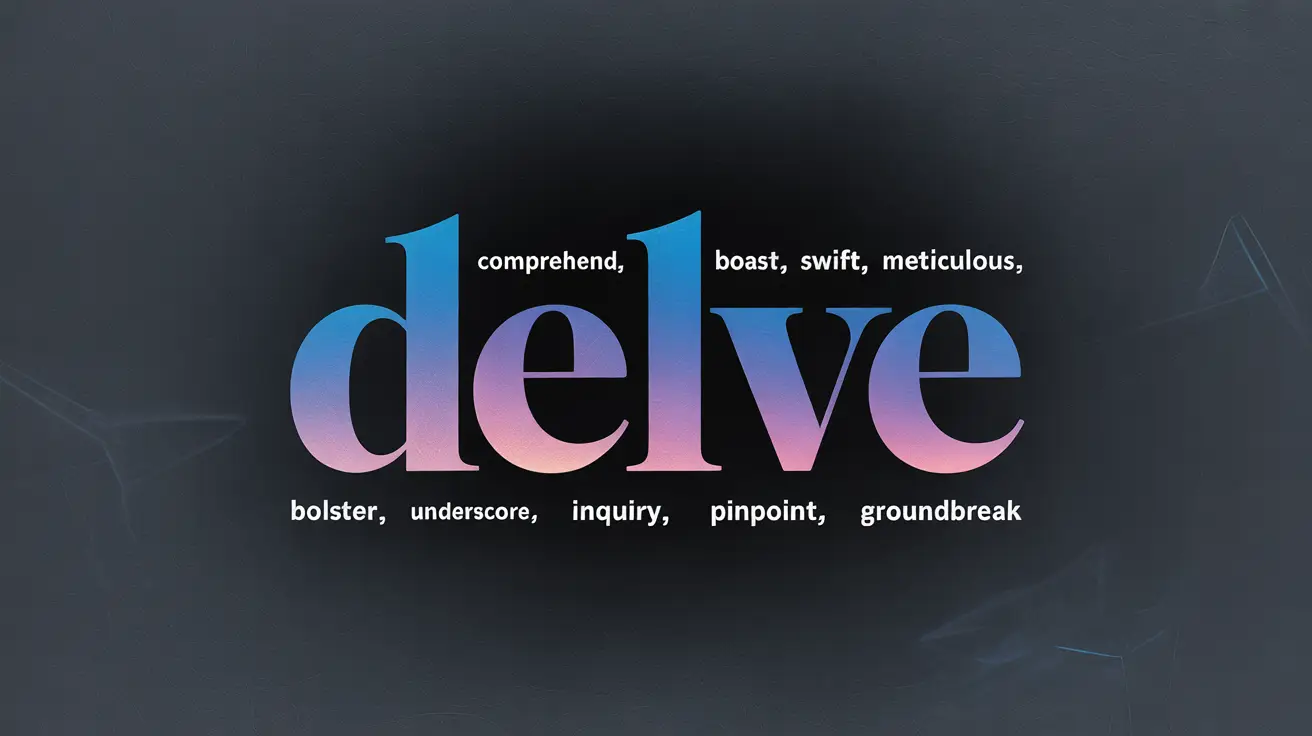
How ChatGPT is sneaking its favorite words (like “delve” and “bolster”) into our everyday conversations
Researchers at the Max Planck Institute found ChatGPT’s preferred vocabulary, termed “GPT words,” influences everyday language, increasing usage in both academic and casual conversations.

Narcissism and COVID-19: new study finds narcissists are less willing to self-isolate
A new study on narcissism and COVID-19 has found narcissists are less willing to self-isolate or believe that social distancing works.

New study: COVID-19 has led to a 53% decrease in heart surgery in the US
COVID-19 has resulted in a major decline in the amount of heart surgery in the US, as well as unexplained increase in deaths.

3D printing innovation: new technique makes materials stronger by feeding them spinach
3D printing innovation: a new technique makes it possible to “feed” inanimate objects with living matter like spinach. Qiming Wang USC

The full moon and sleeping patterns: study shows we go to bed later and sleep less under a full moon
A full moon and sleeping patterns: a new paper finds that in the days leading up to a full moon, people go to sleep later, and sleep less.

Empty stadiums led to higher scores and fewer on-field conflicts
A new study shows that soccer scores were higher, and players had fewer on-field conflicts, when the games took place in empty stadiums.

Indirect aggression: this new study shows that mean children can turn into mean adults
A new study of “indirect aggression” – better known as meanness – found that mean children very often turn into mean adults.
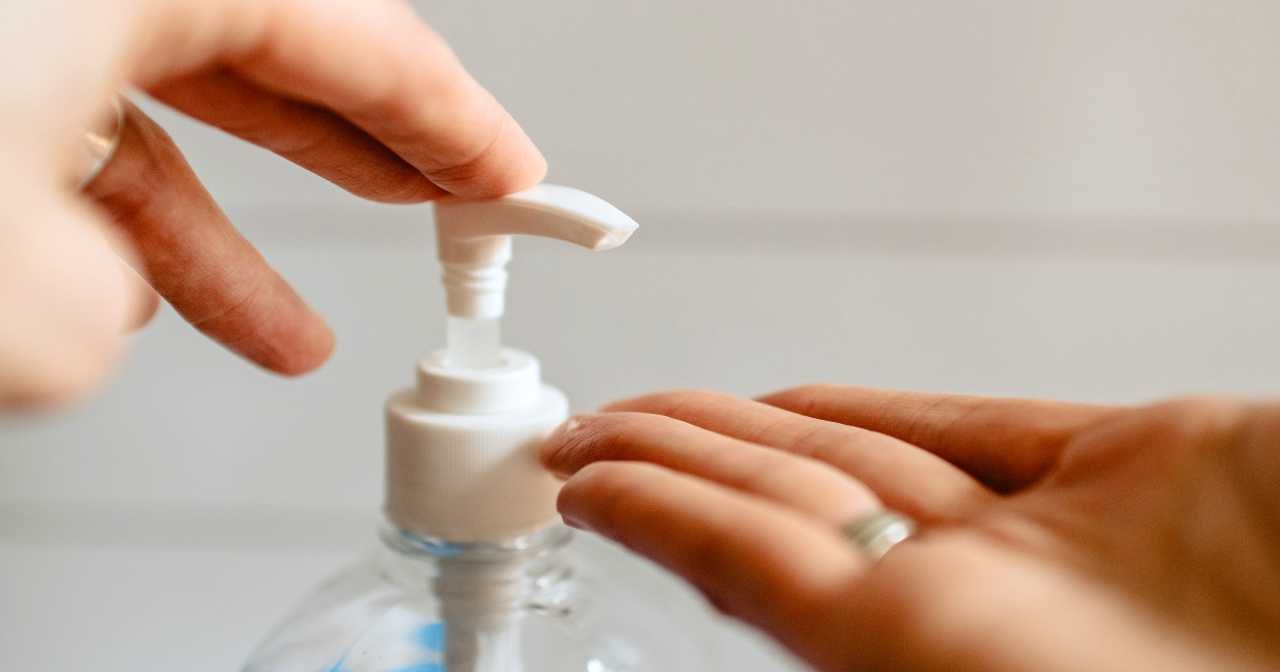
New study finds kids’ eye injuries from hand sanitizer are up 7x since the pandemic began
French study finds children's eye injuries due to alcohol-based sanitizer have increased 7x since the outbreak of the COVID-19 pandemic.
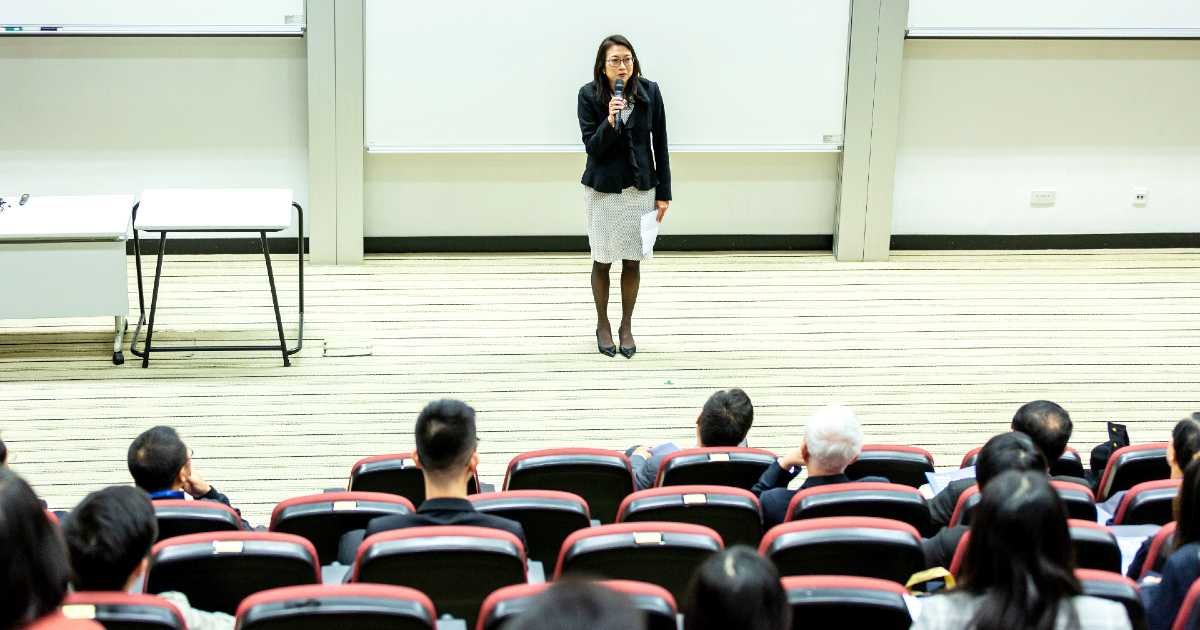
Gender inequality in education: new study finds college men speak 1.6 times more than women
A new study into gender inequality in education has found that college male students speak 1.6 times more often than female students.