
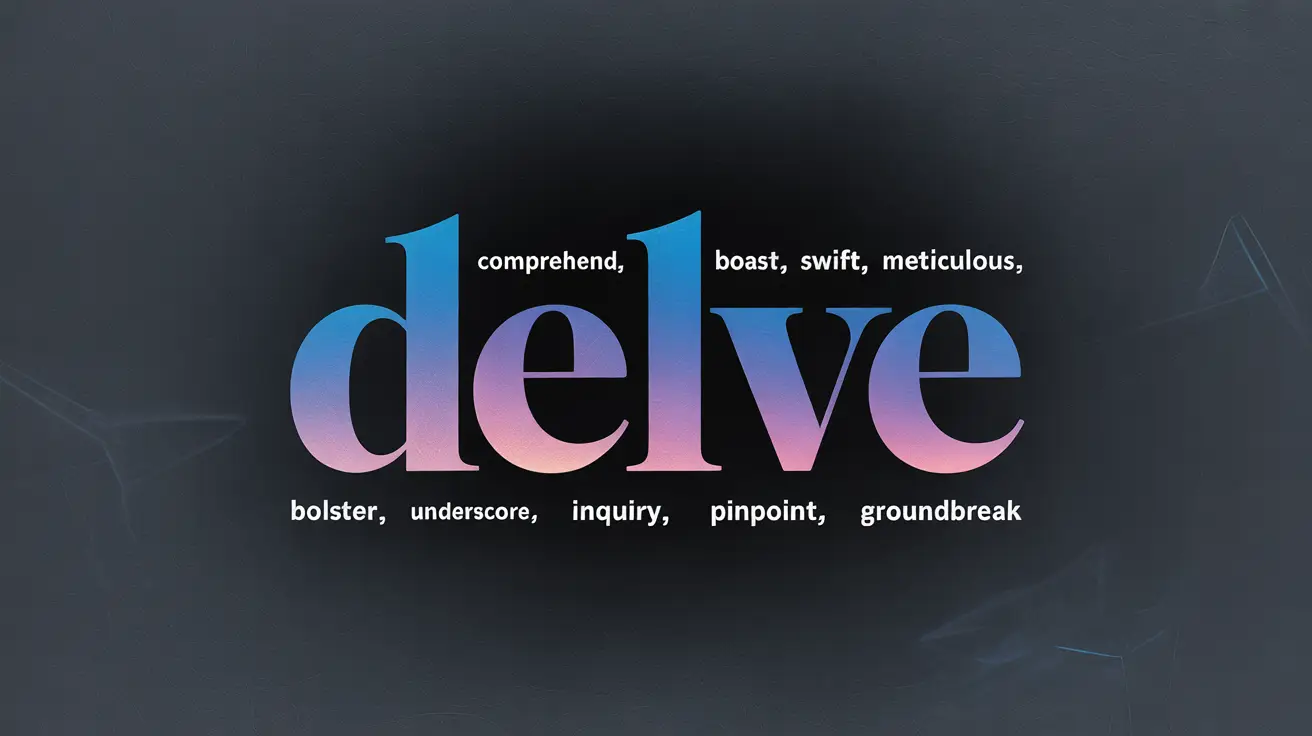
How ChatGPT is sneaking its favorite words (like “delve” and “bolster”) into our everyday conversations
Researchers at the Max Planck Institute found ChatGPT’s preferred vocabulary, termed “GPT words,” influences everyday language, increasing usage in both academic and casual conversations.

How can you stop your cat from hunting wildlife? More meat, and more play-time, new study finds
How can you stop your cat from hunting wildlife? A new study shows cats hunt less when their owners give them lots of meat, and play-time.
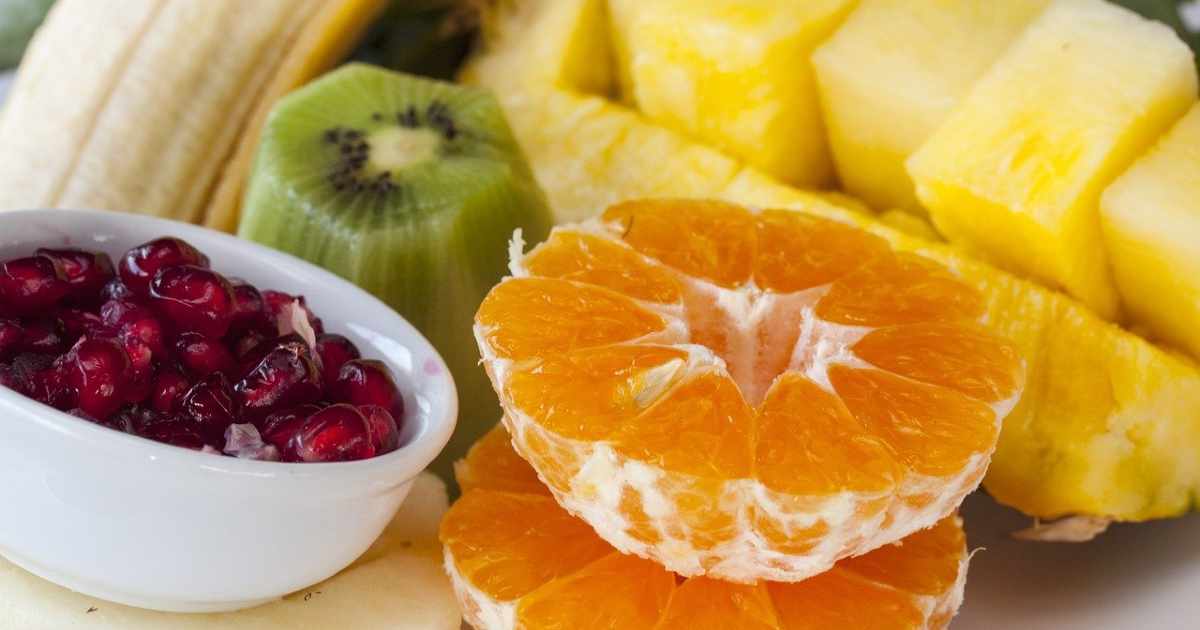
New obesity drug called Semaglutide cuts body weight by up to 20%
About 35% of people who took a new obesity drug called Semaglutide lost more than 20% of their body weight, with 75% losing more than 10%.

How to become an astronaut: the European Space Agency is recruiting, for the first time since 2008
How to become an astronaut: the European Space Agency is recruiting astronauts, for the first time since 2008. Here’s what you need to know.
This new study on pathological liars finds about 13% of people tell 10 lies per day
A new study has found that 13% of people are pathological liars, telling about 10 lies per day, which damages their social ties.

New study finds the number of Americans in “extreme distress” has doubled since 1993
A new study has found that the proportion of American adults suffering from “extreme distress” has almost doubled since 1993.

Fathers with bad grades in high school go on to have the same leadership opportunities as mothers with a 4.0 GPA
A new study finds fathers who had high school GPAs of 1.0 have similar leadership opportunities to women who had high school GPA s of 4.0.

Study: expertise beats celebrity endorsements when it comes to COVID-19 advice
Pandemic advice linked to celebrity endorsements by Kim Kardashian or Tom Hanks carries less weight than an endorsement by Anthony Fauci.

New research shows that increased use of “I” and “we” can be warning signs of a breakup
A new study shows that increased use of the pronouns “I” and “we” can be warning signs of a breakup, months before it happens.