
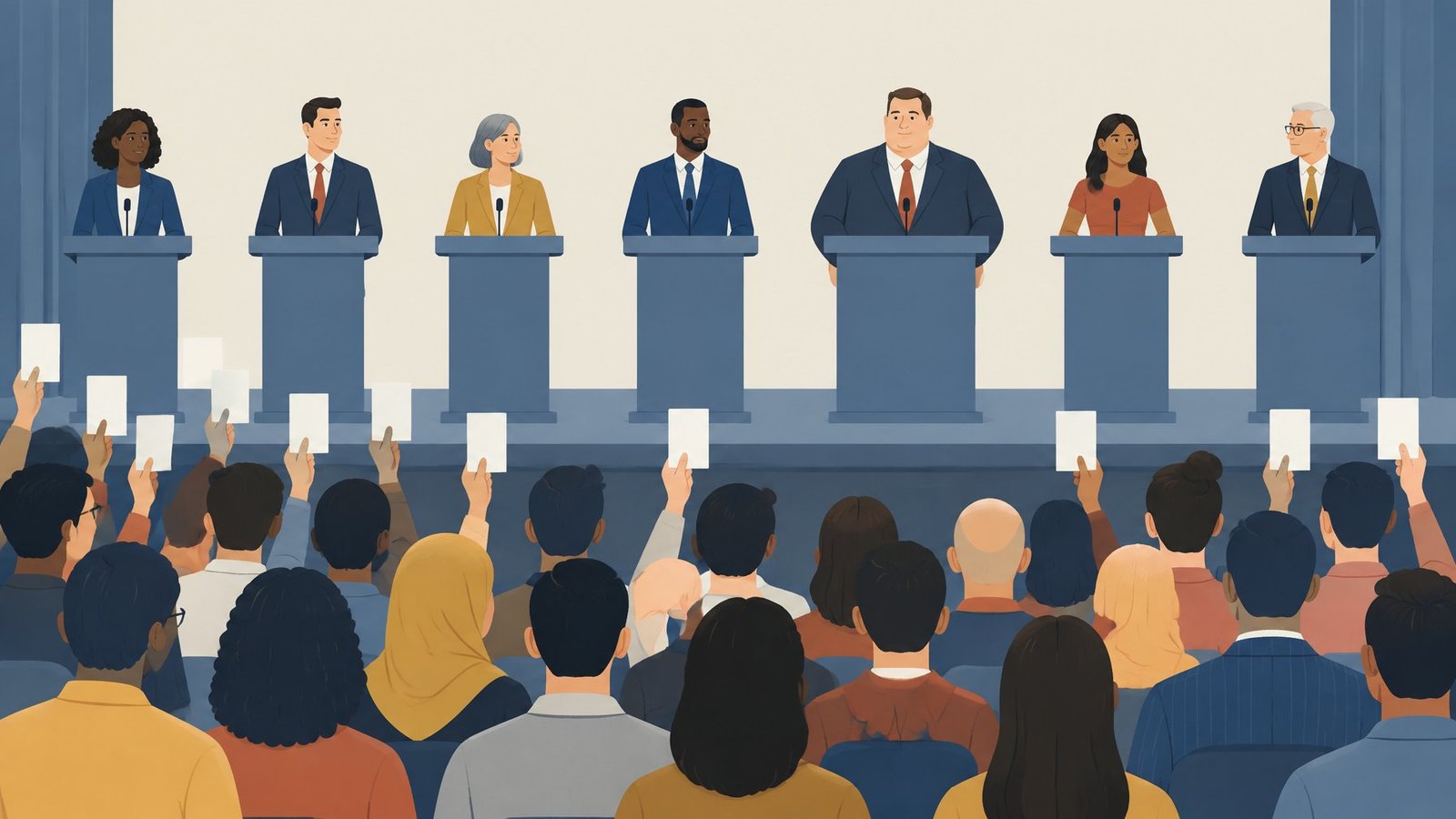
Obese candidates pay an election penalty half as large as lacking a college degree
Matching perceived weight from photos of 3,612 candidates in the 2022 US Congressional elections with real results, researchers found obesity carries an electoral penalty about 50% as large as not having a college degree, across parties, offices and genders.

The economic costs of sexual harassment: a #MeToo scandal means a 1.5% loss ($450m) in company value
In the long term, these firms recover only about half of the lost value, with greater losses for CEO-involved scandals and excessive media attention.

The Big Five trait of agreeableness can be detected by a brain scan
The Big Five trait of agreeableness can contribute to identifying qualities of good citizenship. Individuals high in agreeableness tend to be cooperative, reliable, and empathetic, all of which are qualities of good citizens. Their ability to work well with others and show compassion can make them valuable members of a community.

Artificial intelligence for violin making: better than Stradivarius
AI can predict sound and determine optimal shapes for violin plates, improving quality and craftsmanship for better instruments.

New research shows that people low in self-esteem are much more likely to blame their personal problems on politics
Low self-esteem and lack of control lead some individuals to blame politics for their own personal problems.

Pink-colored drinks can help you run faster and further, this new study shows
Research shows that pink drinks make you run faster, further, and feel better during exercise.

High school popularity: study shows oldest kids in the class also the most popular
Older students in a class are more likely to be popular, as found in a new study involving over 13,000 students in the Netherlands, Sweden, and England.

New study on FoMo (the “fear of missing out”) shows it’s about much more than social media
Age plays a minimal role in triggering FoMO, with loneliness and social anxiety being more significant factors that affect individuals of different age groups.

New study shows coffee preference regulated by genes
New study shows genes influence coffee intake for cardiovascular health, based on data from almost 400,000 individuals.