

Promising autonomy in startup job ads drove away graduate degree holders
In a field experiment with 10,718 job seekers, adding an autonomy pitch to a startup’s recruiting email raised clicks from people without degrees by 69% but cut clicks from graduate degree holders by 25% and their applications by 35%.
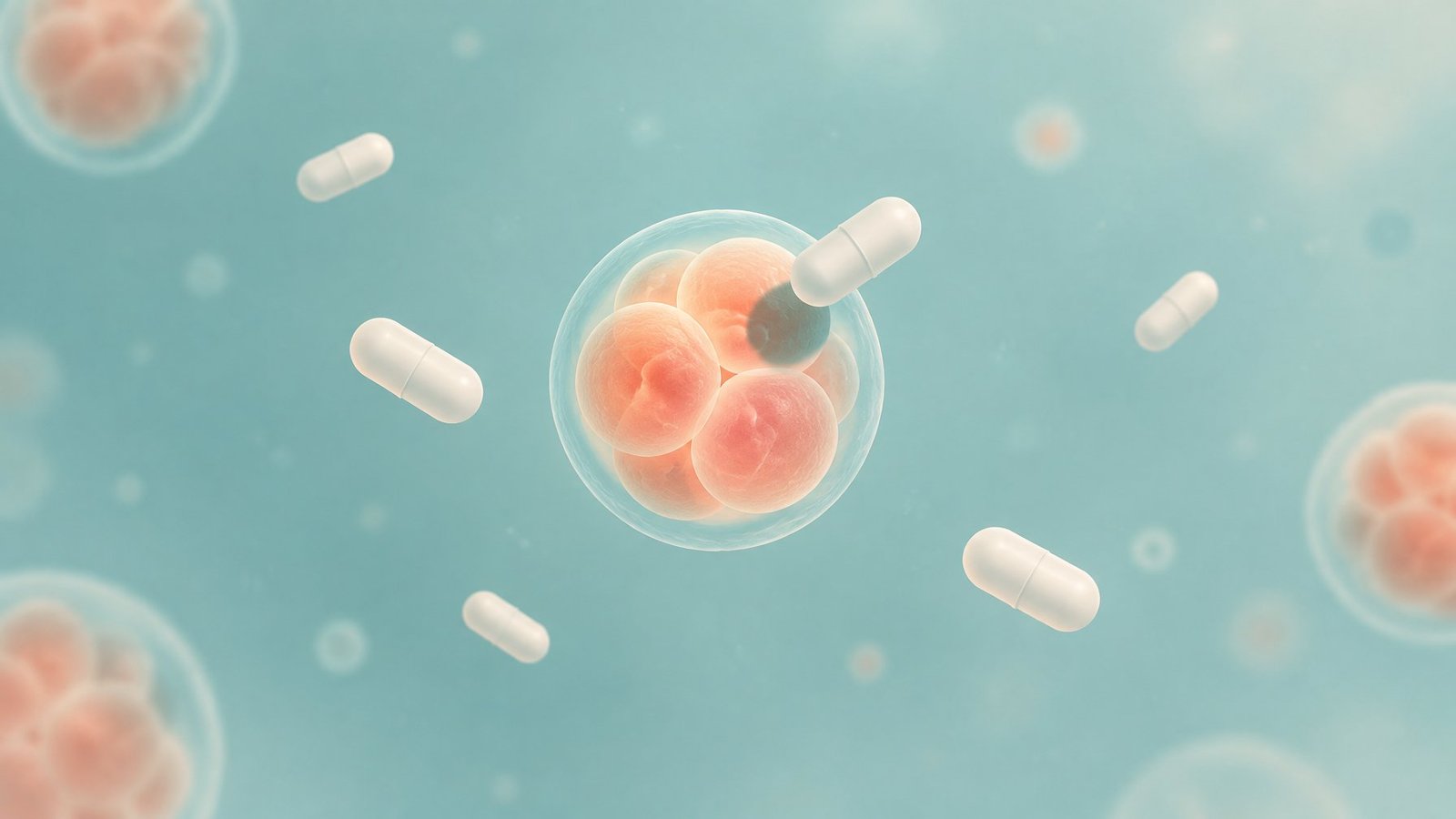
Paracetamol reaches the womb at levels that slowed early embryo growth in lab tests
One hour after a standard 1 g dose, paracetamol averaged 124.5 µM in women’s uterine fluid. At 100 to 200 µM it blocked DNA synthesis, cut cell numbers in human and mouse embryos, and at 200 µM killed some early embryos outright.

Loan contracts stay full of loopholes as lawyers profit from exploiting them
In over 2,000 leveraged loan agreements from 2018 to 2024, the share closing a key loophole rose only from 3% to 9% and fell back to about 3%, while a single liability management deal can generate more than $100 million in legal fees.

Swipe-to-trade buttons and green numbers push investors to put in more money
In an experiment on mobile trading design, investors invested the most in a company when they swiped to trade and its information was shown in green, compared with clicking and confirming or seeing the same information in red, even though the company’s economics were identical.

One in five LinkedIn users rewrites jobs they have already left, to better match their future career path
Using 2020 to 2026 Revelio Labs data, economists found 19.7% of U.S. LinkedIn users retroactively edit past jobs, often around switching employers. The rewrites add AI language after 2022, drop remote-work and DEI terms, and show a post-ChatGPT surge in LLM-style writing.

White men drafted for Vietnam later held warmer views of Black Americans
White men whose birth dates were drawn in the Vietnam draft lottery later expressed more positive attitudes toward Black people and race-related policies, with effects of about 0.18 standard deviations in 1978 that faded over time.

How ChatGPT is sneaking its favorite words (like “delve” and “bolster”) into our everyday conversations
Researchers at the Max Planck Institute found ChatGPT’s preferred vocabulary, termed “GPT words,” influences everyday language, increasing usage in both academic and casual conversations.

Why the World’s Wealthiest Nations Are Having Fewer Babies
Birth rates in wealthy nations have reached historic lows due to shifting societal values prioritizing careers over parenthood, with minimal impact from financial incentives.

Emoji Use Signals Distinct Personality Traits in Men and Women
New study shows emoji use reveals personality: men with manipulative or unstable traits and women with narcissistic traits use emojis most.