

Stock markets tend to rise in the week after a blockbuster movie opens
Blockbuster movie releases were followed by significantly higher US stock market returns the next week, along with lower expected volatility and risk aversion, and the pattern also appeared in international markets.

Employee Glassdoor reviews predict product recalls and profitability ahead of time
Using machine learning on more than 4.3 million Glassdoor reviews of S&P 1500 firms from 2008 to 2023, researchers built a quality index that predicted future quality better than firm fundamentals or Glassdoor ratings, and helped forecast product recalls, brand value and profitability.

Zoom first impressions are as accurate as in person, unless the connection is bad
Across two Zoom studies with 938 students and about 5,000 conversations, people judged new acquaintances’ personalities as accurately as in person. When audio and video quality was poorer, they judged less accurately and liked their partner less.
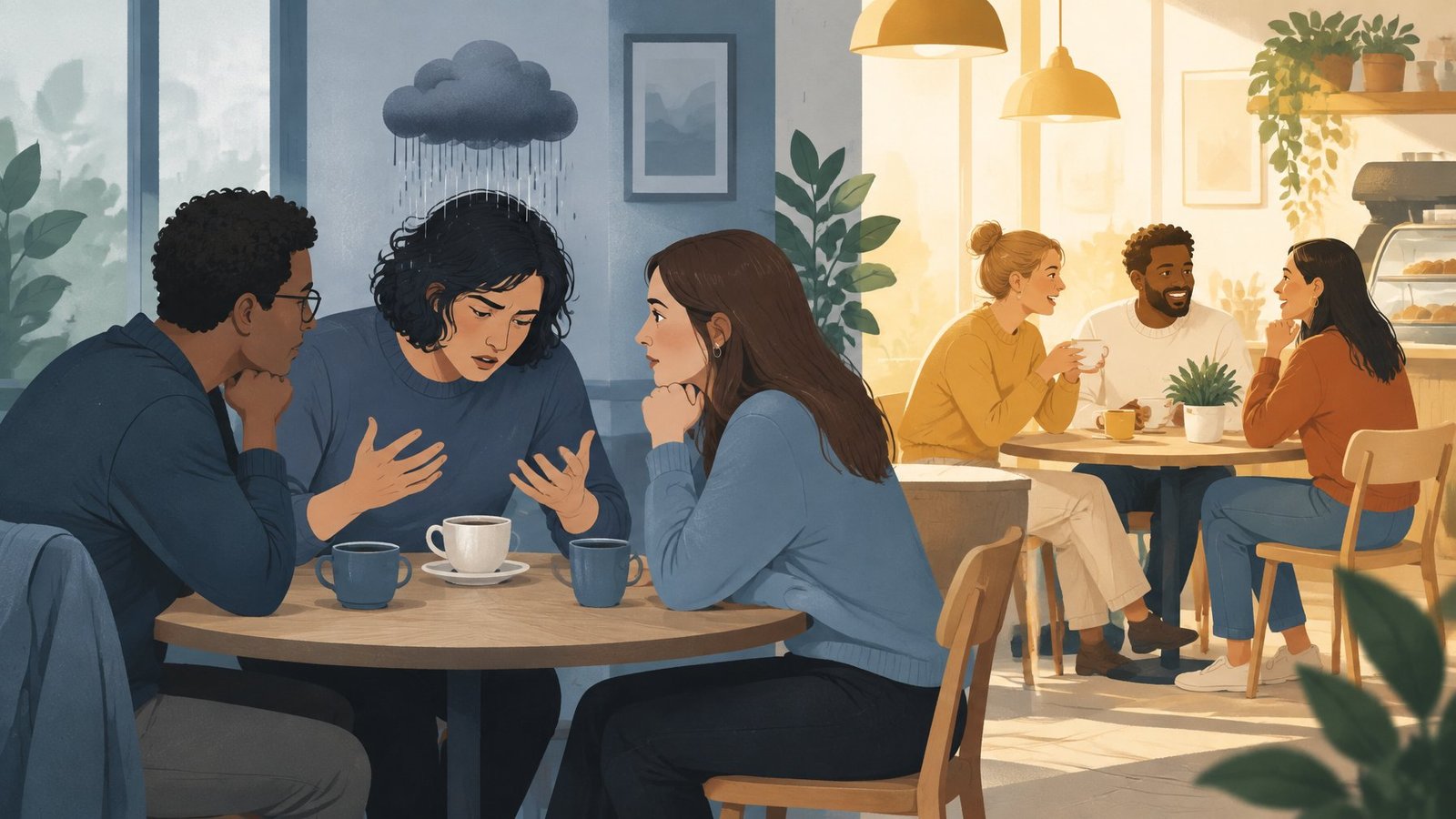
Unhappy people talk politics and push others to vote more than happy people do
In World Values Survey data on about 58,000 people in 44 countries, those who called themselves not very or not at all happy were more likely to discuss politics with friends and urge others to vote or take political action.

Pandemic travel bans reveal about 3% of Canadian and 2% of US births are to new arrivals
When COVID-19 travel bans hit in March 2020, births fell in Canada and the US but not in comparable European countries. The gap implies about 970 births a month in Canada (3.2%) and 6,700 in the US (2.2%) are to people arriving from abroad.

Serial murderers fell to 381 between 2011 and 2021, down from a peak of 823
A chapter in the Routledge Handbook of Homicide Studies counts 381 serial murderers between 2011 and 2021, down from a peak of 823, and credits surveillance, DNA technology, cell phones and better-connected police for ending the crime’s heyday.
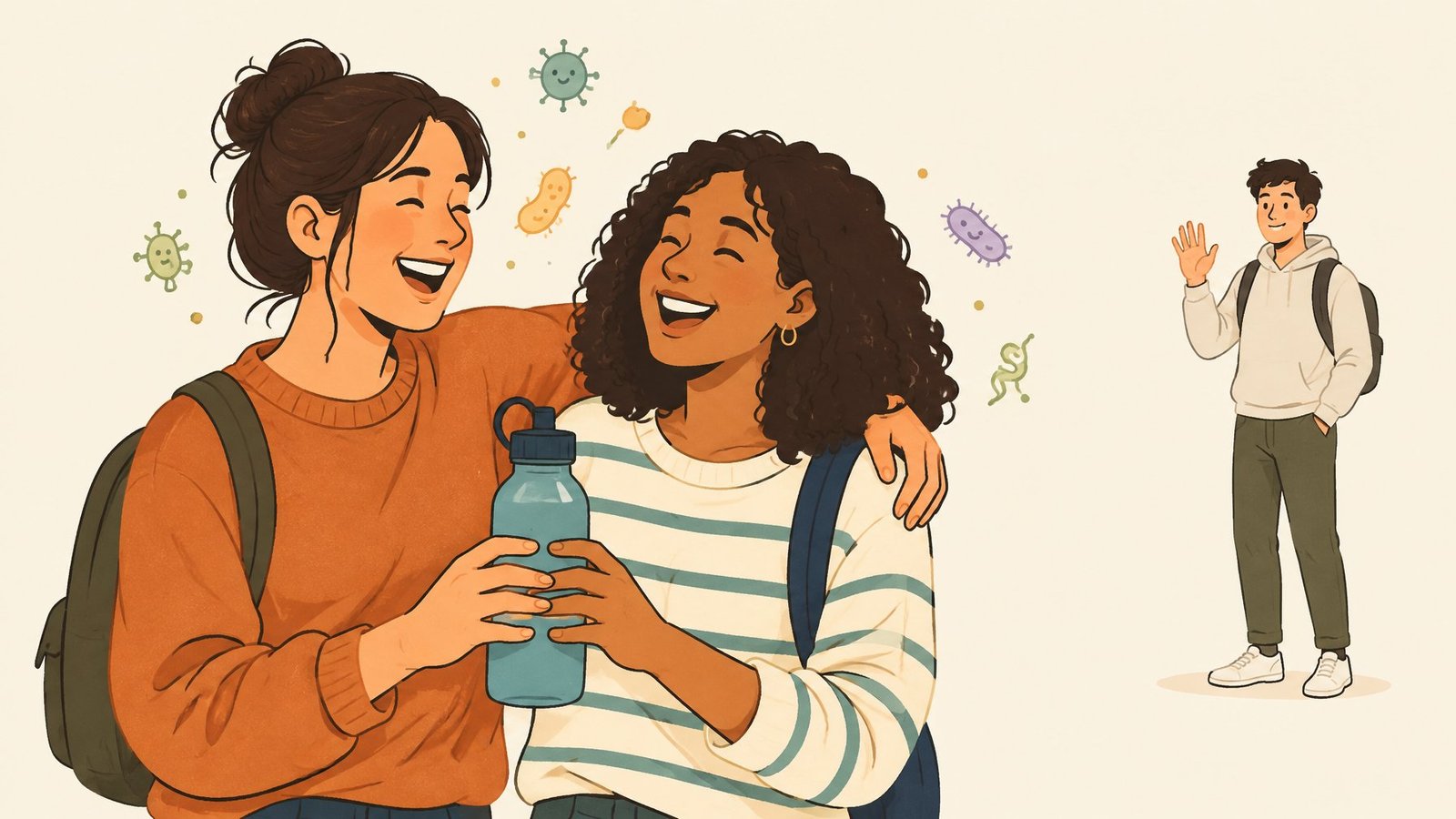
People in 61 societies take more germ risks with those they value most
Across 61 societies, people were more comfortable with infection-risky contact, such as sharing a water bottle, and more likely to touch in greeting, the more they valued the other person; culture and disease history mattered mainly for close partners.

Keeping good news to yourself can leave you feeling more energised
Five experiments with 2,800 people found that positive secrets, such as a planned proposal or surprise gift, boost feelings of energy compared with the same good news shared openly, because people choose to keep them freely.

A resume that brags with a joke drew more hiring interest than plain self-promotion
Across four studies, “humorbragging” made job candidates seem both warmer and more competent: a humorbragging resume drew more recruiter interest, and humorbragging entrepreneurs secured more funding than those using other humor.