

Donors who calculate charity impact are judged as less moral than those who empathize
Across seven studies, people rated donors who pick charities by cost-effectiveness as less moral and less desirable as friends than empathic donors. When told to make a good impression, 71% chose the empathic approach, against 57% without that prompt.

Abstract words like justice and liberty skew feminine in 7 of 9 Indo-European languages
Archival studies found abstract nouns are more often grammatically feminine in seven of nine Indo-European languages, and experiments showed people picture these concepts as female and implicitly link abstract ideas with women.

Girls’ toy cartoons mention sweets 8 times more often than boys’ cartoons
Across 1,041 hours of toy-linked shows and films, words for sweets came up 8.37 times as often in programs aimed at girls as in those aimed at boys, and about five times as often in shows rated for children six and under.

Believers see karma rewarding themselves and punishing others
In three studies with 2,041 people in the US, Singapore and India, 69% of those recalling karma in their own lives described a reward, but only 18% of those recalling someone else’s karma did.
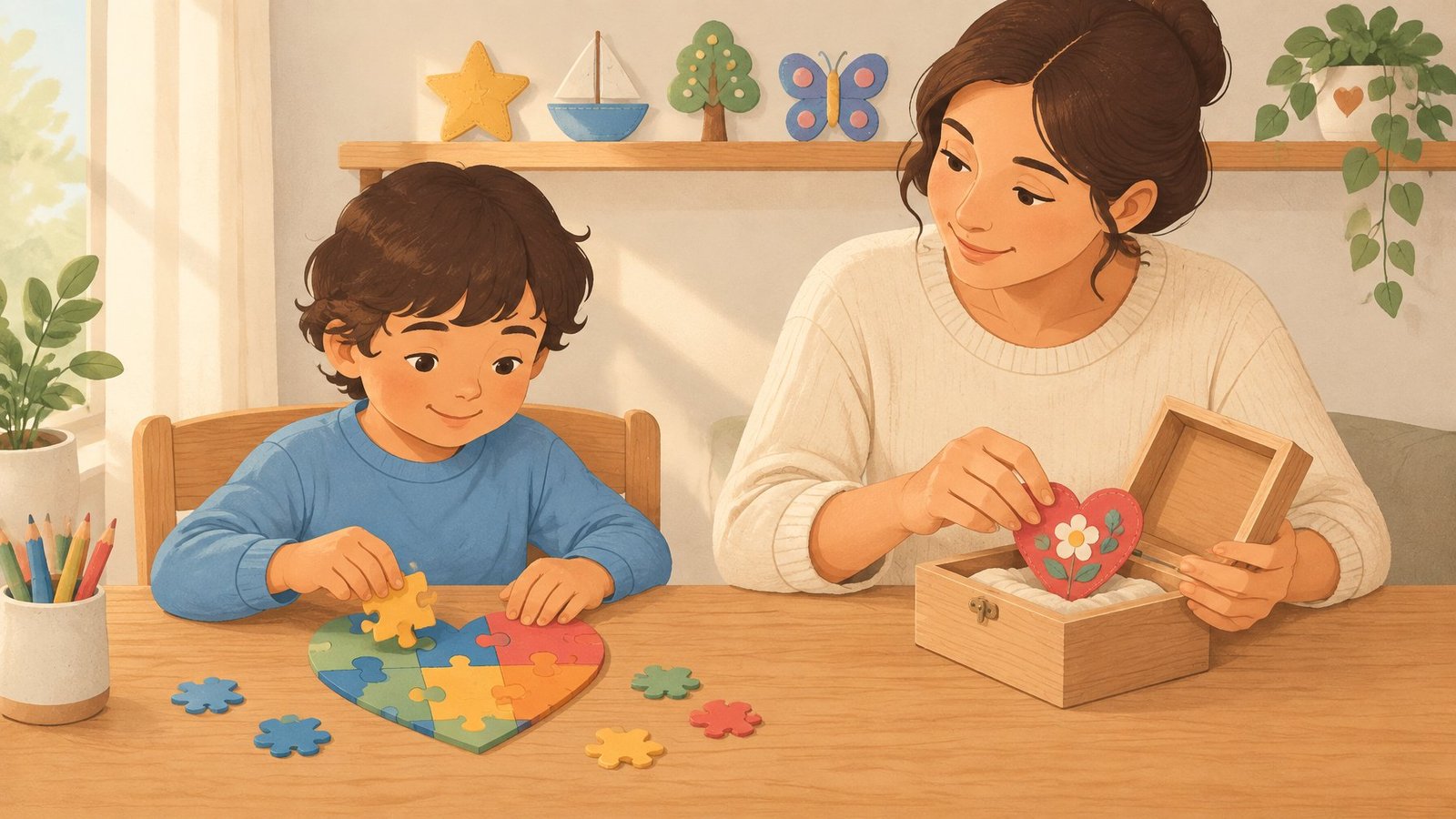
Children as young as four work harder when told their artwork will be saved
In four studies with 604 children aged 4 to 9 and 582 adults, about 80% chose a craft game where their creation was kept over one where it was taken apart. Knowing work would be saved pushed most people to build rather than take the easy option.

Angry threats work better: a leader’s rage raised belief in an attack by 14.6 points
In a survey experiment with 1,012 Americans, a foreign leader’s angry threat raised the estimated chance of an attack by 14.6 percentage points over a calm one, and historical crisis data show calm threats often fail.
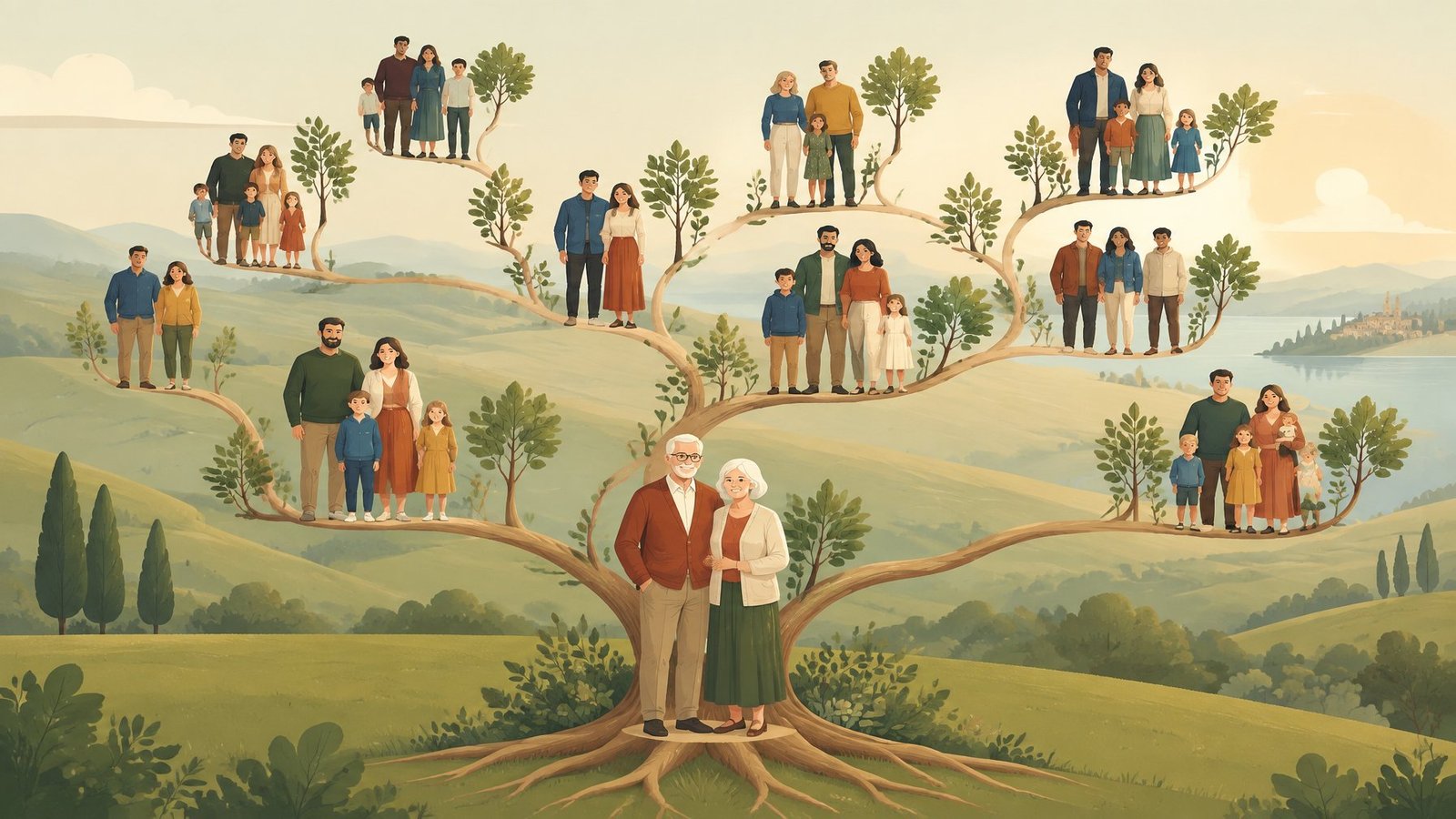
Right-leaning Europeans have more grandchildren, which could tilt future generations right
Across surveys of more than 187,000 people in Europe, right-wing and socially conservative respondents had more children and grandchildren than left-wing ones in most countries. If attitudes pass to offspring, the right-wing share would grow each generation, for example from 47% to 53% in Austria.

Electing a Republican prosecutor cuts deaths among young men by 6.6%
Counties that narrowly elected a Republican prosecutor saw all-cause mortality among men aged 20 to 29 fall 6.6%, mostly through fewer gun deaths, apparently because more convictions legally cut off access to firearms.

People across history rarely blamed events on pure chance, cross-cultural review argues
Drawing on ethnographic and historical records, Ze Hong argues that most societies explained misfortune and coincidence through causes, spirits or luck, and that chance became an accepted explanation only late in history, alongside probability theory.