New Deep Sea Creatures Discovered in the Ocean’s Abyss
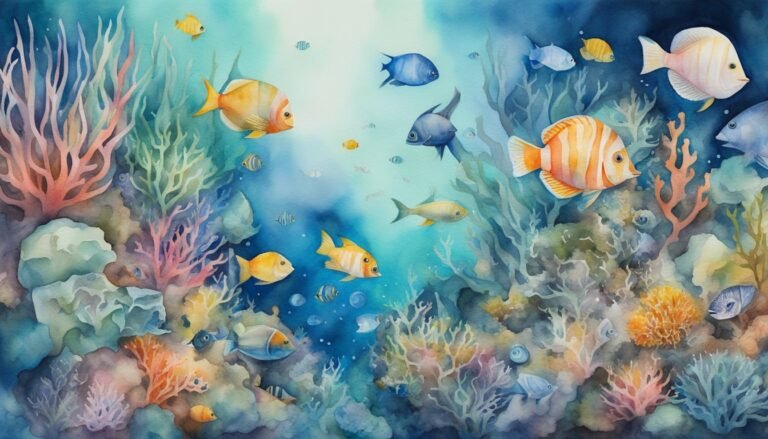
The quest for understanding our planet’s biodiversity extends into the deep sea, where recent expeditions have revealed a trove of previously unknown species.


The quest for understanding our planet’s biodiversity extends into the deep sea, where recent expeditions have revealed a trove of previously unknown species.

Kowloon's history spans from the Song Dynasty, evolving from a salt production site to a densely populated urban area, rich in cultural diversity and architectural development.

Stone Age tools evolved from simple to complex, showing early humans' problem-solving skills; starting from 3.3 million years ago with hammerstones to Acheulean hand axes.

Afghanistan, a landlocked country in Asia, has diverse landscapes including mountains, valleys, and deserts, shaping its climate, resources, and culture.

Released goldfish can become invasive, harming ecosystems by altering water quality and outcompeting native species.

Local realism suggests objects have set properties and can only affect nearby things, but quantum physics shows that distant objects can affect each other instantly, challenging this concept and earning a Nobel Prize in Physics in 2022.

The U.S. government is divided into three branches—legislative, executive, and judicial—to prevent the concentration of power and ensure checks and balances.
Earth, the third planet from the Sun, has a tilted axis causing seasons and revolves around the Sun in 365.25 days.

Start your science fair project by selecting a topic that intrigues you in the STEM field, using tools like a Topic Selection Wizard.
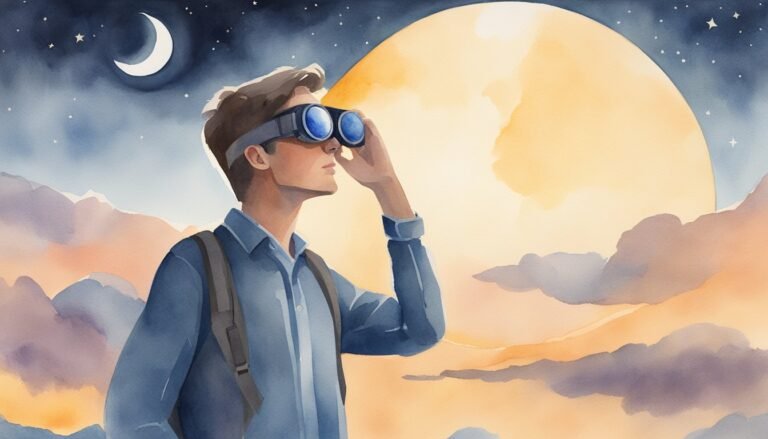
An astronomical event on April 8, 2024, featuring the moon blocking the sun, with the path of totality spanning from Mexico through North America.