Human Genome Map: Cracking Our Genetic Code for Personalized Medicine

Technologies in genome sequencing play a pivotal role in revealing the order of nucleotides in DNA, enabling a comprehensive map of the human genome.


Technologies in genome sequencing play a pivotal role in revealing the order of nucleotides in DNA, enabling a comprehensive map of the human genome.

10,000 steps a day is a common activity goal to improve health and fitness, starting with the Japanese marketing campaign in the 1960s.
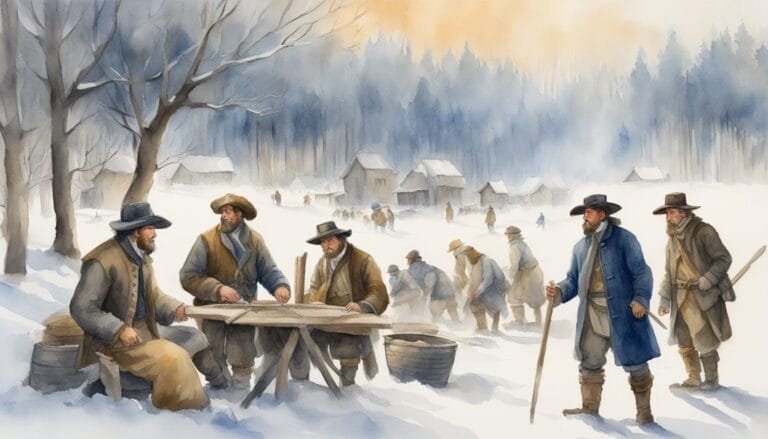
In Jamestown's Starving Time (1609), settlers faced famine, leading to cannibalism as a survival means.

In the animal kingdom, laziness is often an energy conservation strategy, crucial for survival in resource-scarce environments.

In 1922, Howard Carter uncovered Tutankhamun's tomb, revealing significant insights into ancient Egyptian culture and history.

At 15, Jack Andraka invented a novel test for early detection of pancreatic, ovarian, and lung cancers, significantly increasing survival chances.

Rare earth elements (REEs) are vital to modern technologies and a growing green economy, due to their unique magnetic and electrochemical properties.
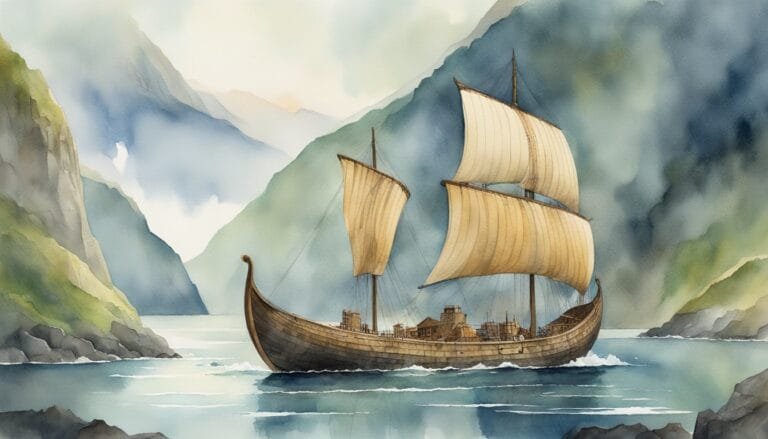
Recent DNA studies show Vikings were a genetically diverse group from Scandinavia, influencing Europe's genetic and cultural landscape.

Historical Lidar technology unveils the sophisticated societies and infrastructure of long-lost Amazonian cities.

Earth hosts around three trillion trees, highlighting the lushness of our planet while emphasizing threats like deforestation and climate change.