The Big Five Personality Traits: Your Guide to Understanding Human Behavior
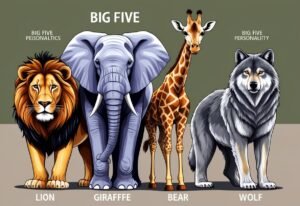
The Big Five personality traits (openness, conscientiousness, extraversion, agreeableness, neuroticism) help explain and predict human behavior and performance.

The Big Five personality traits (openness, conscientiousness, extraversion, agreeableness, neuroticism) help explain and predict human behavior and performance.

Sheep have rectangular pupils which provide almost 360-degree vision and better peripheral vision but lack sharp central vision and depth perception.

Shark rays are unique sea creatures combining features of sharks and rays, but belong to their own group called guitarfish; they're critically endangered.

Icelanders adapt to the constant threat of eruptions, benefiting from geothermal energy and fertile soil, while coexisting with the island's dramatic volcanic activity.

Man-made disasters, caused by human actions or mistakes like nuclear meltdowns and oil spills, can lead to severe harm, but learning from these events can help prevent future ones.

Red wolves, native to the southeastern U.S., are critically endangered with just 15-17 left in the wild, but conservation efforts aim to revive their population.

The Dumbo octopus, named for its ear-like fins, is a deep-sea octopus living at depths of 13,100 feet, adapting to one of Earth's toughest habitats.

Mice are generally scared of humans due to their size and potential threat, but enter homes seeking food and shelter, staying out of sight using keen senses.

Elephants use a variety of vocalizations and non-vocal sounds to communicate, including trumpets, rumbles, and stomping, each with specific meanings.

Temperate forests experience four distinct seasons annually, each bringing unique changes in plant life, animal behavior, and vibrant landscapes, making them magical year-round.