Shrimp on treadmill: Tiny creatures get fit in quirky science experiment
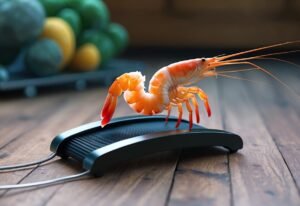
Scientists use tiny treadmills to study shrimp movement, health, and effects of water quality, contributing valuable insights for shrimp farming and wild populations.

Scientists use tiny treadmills to study shrimp movement, health, and effects of water quality, contributing valuable insights for shrimp farming and wild populations.

Goats have rectangular pupils that allow for a nearly 330-degree field of vision, helping them spot predators while grazing and see well in various light conditions.
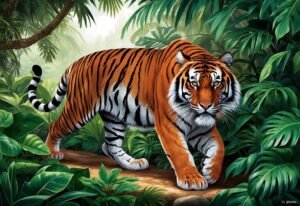
The critically endangered Sunda tiger, unique to Sumatra, faces near extinction due to habitat loss, poaching, and human conflict; conservation efforts are vital.

The Portuguese man-of-war is a colony of small specialized animals working together, often mistaken for a jellyfish, with painful stinging tentacles.

Nigeria, home to over 250 ethnic groups, is known for its vibrant and unique culture shaped by diverse languages, traditions, and rich history.

Przewalski's horses, the last truly wild horse species, have made a remarkable comeback from near extinction and are now thriving in Mongolia and China.

The ocean looks blue because water absorbs red, orange, and yellow light while reflecting blue light; depth, particles, and plants also affect its color.

Bulls don't hate red; they are colorblind to red and green. They charge due to the movement of the cape, not its color. The red cape is used mainly for tradition and to hide bloodstains.

The world's quietest room, Microsoft's anechoic chamber, has a sound level of -20.35 decibels and enables people to hear their own body noises; it's used for scientific tests and product improvements.

Most experts say there's no proof of a highly advanced society 12,000 years ago, despite interesting discoveries and popular theories in books and media.