How Are Seashells Made: Nature’s Incredible Ocean Jewelry

Seashells are created by mollusks like clams, oysters, and snails, using minerals from water to form protective calcium carbonate homes that grow as they do.

Seashells are created by mollusks like clams, oysters, and snails, using minerals from water to form protective calcium carbonate homes that grow as they do.

Plan B is designed for women to prevent pregnancy after unprotected sex; if taken by men, it has no effect on preventing pregnancy and no lasting impact.

Scientists at Rice University found a Ti-3Au alloy that's 4 times harder than steel and has excellent biocompatibility, with uses in implants, jewelry, and tools.

Garrett Morgan, born in 1877 in Kentucky, invented the gas mask and improved traffic signal, significantly enhancing safety despite many challenges he faced.

Monkeys with white hair, like the cotton-top tamarin and Gee's golden lutung, are rare and striking, showcasing the diversity and beauty of the primate world.
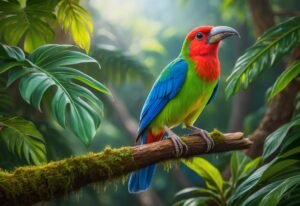
The quetzal, with its bright plumage and long tail feathers, plays a key role in Mesoamerican culture but faces habitat loss; conservation efforts are essential.
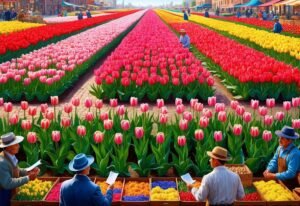
In 1630s Holland, tulips became so popular that rare bulbs cost more than houses, creating an economic bubble that teaches about speculative risks.

Fractals are self-similar patterns found in nature, repeating at different scales, seen in snowflakes, tree branches, and coastlines.

Animals have evolved diverse visual systems, enabling them to see in unique ways; from detecting ultraviolet light to having advanced color vision and night vision.
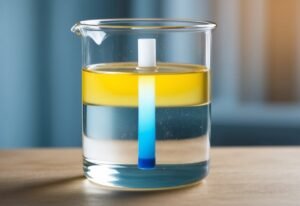
Bleach is a strong alkaline cleaner with a pH between 11 and 13, making it effective for disinfecting and stain removal due to its sodium hypochlorite content.