Spain Morocco: Bridging Cultures Across the Strait

Spain and Morocco share a history of cultural exchange and political tension, influenced by their proximity, sports rivalries, and disputes over territories like Ceuta and Melilla.

Spain and Morocco share a history of cultural exchange and political tension, influenced by their proximity, sports rivalries, and disputes over territories like Ceuta and Melilla.
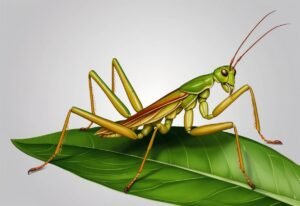
Praying mantises are carnivorous insects known for their alien-like appearance, unique hunting skills, and remarkable head rotation, intriguing scientists and nature lovers alike.

Seagulls are intelligent, adaptable birds with diverse species found on every continent; they are known for their feeding strategies, strong colony behavior, and cultural significance.

Lucy, a 3.2-million-year-old Australopithecus afarensis fossil found in Ethiopia, showed early hominins walked upright before big brains evolved.

Oregon, known as the Beaver State, is a place of natural wonders and quirky charm, offering diverse landscapes, rich history, and unique culture for everyone.

The Kraken, a mythic sea monster from Scandinavian folklore, gained global fame through early literature and real giant squid sightings.

Predator-prey relationships are key interactions that shape ecosystems, affecting animal behavior and population dynamics through adaptations and complex food webs.

The myth of storks delivering babies comes from their role in ancient stories and folklore, symbolizing new life, family, and good luck.

Tiger salamanders are large, spot-patterned amphibians native to North America, known for their burrowing ability and habitat versatility, thriving in both wetlands and dry areas.

Red 40 is a synthetic food dye made from petroleum byproducts, used to add bright red color to various foods and beverages, and approved by the FDA.