Are crickets good luck? Surprising folklore and beliefs

Crickets are considered bringers of good fortune and prosperity in many cultures, often symbolizing wealth, positive change, and good vibes.

Crickets are considered bringers of good fortune and prosperity in many cultures, often symbolizing wealth, positive change, and good vibes.

Scientists created genetically modified mosquitoes to reduce populations and combat diseases; however, in Brazil, these modifications led to stronger, resistant mosquitoes.

Oxygen scrubbers are essential devices that remove harmful gases like CO2 from the air in enclosed spaces, ensuring it remains clean and breathable.

Albert Einstein's brain was removed and preserved after his death in 1955, leading to decades of study and debate on whether it held secrets to his genius.
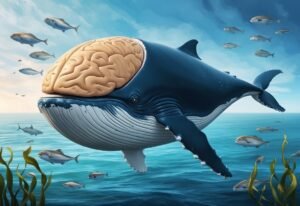
Whales, with some of the largest and most complex brains in the animal kingdom, exhibit impressive cognitive abilities that scientists are still uncovering.

Zoos aim to protect endangered species and educate, but they face criticism for potentially harming animals through small enclosures and unnatural behaviors.
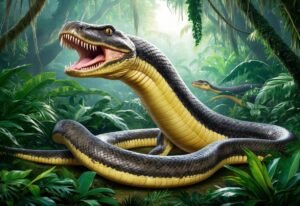
Titanoboa, the largest snake ever at up to 42 feet and 1.25 tons, lived in a hot, humid Colombia 58 million years ago, providing insights into ancient climates.

Words for Nerds is a fun, Wordle-like game for intellectuals, offering a scientific twist and tapping into nerd culture by challenging players with science-related vocabulary.

Cryptozoology searches for animals like Bigfoot not proven to exist, blending scientific methods with folklore, often seen as pseudoscience but sometimes leading to real discoveries.

Dugongs are large, friendly marine mammals living in warm coastal waters, facing threats from hunting and habitat destruction; efforts are underway to save them.