Chemical Bonds: The Glue That Holds Molecules Together
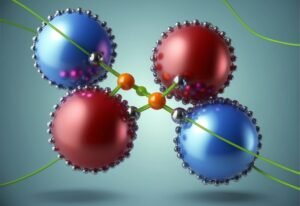
Chemical bonds are forces holding atoms together, forming molecules and materials; types include ionic, covalent, and metallic, each giving unique properties.

Chemical bonds are forces holding atoms together, forming molecules and materials; types include ionic, covalent, and metallic, each giving unique properties.

Sweating is rare in the animal kingdom; while most animals pant or seek shade to cool off, only a few like horses, chimps, and zebras sweat to regulate their temperature.

Men have the biological structures to produce milk and may do so under certain conditions like hormonal changes. While uncommon, it can help nourish infants.

Transparent fish have see-through bodies that help them hide from predators, with species like the barreleye and glass catfish showcasing this adaptation.

Humans have tried to control body odor for ages, evolving from ancient perfumes and herbs to modern deodorants and antiperspirants starting in 1888.

Excessive homework leads to significant stress among students, adversely impacting their mental and physical health, as well as their overall well-being.

The golden poison dart frog, found only in Colombia, is a tiny yet highly toxic amphibian with enough poison to kill 20 people; it faces habitat loss but zoos help conserve them.

The Goliath birdeater holds the title of largest spider by weight, weighing up to 175 grams, while the giant huntsman spider has the longest leg span at 12 inches.

Spiders have diverse eye types and numbers, adapted for tasks like detecting motion, seeing in low light, and spotting colors; their vision aids in hunting, survival, and navigation.

Bobbit worms are 10-foot long, fierce ocean hunters with sharp jaws, living in warm Indo-Pacific and Atlantic waters; scientists still study their behavior.