Pangolin Scales: Understanding Their Unique Role in Nature
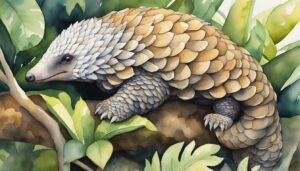
Pangolins, covered in keratin scales, feed mainly on ants and termites using a long sticky tongue, and are primarily found in Asia and Africa.

Pangolins, covered in keratin scales, feed mainly on ants and termites using a long sticky tongue, and are primarily found in Asia and Africa.

The emu is a large, unique bird native to Australia, with significant ecological and cultural roles.
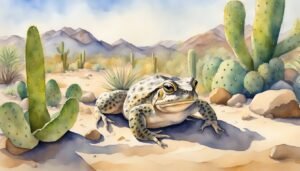
The Sonoran Desert Toad, Incilius alvarius, thrives in the southwestern US and northwestern Mexico, known for its potent skin toxins.
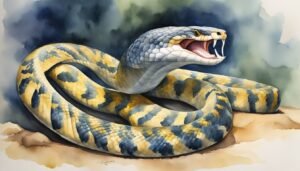
The king cobra is the longest venomous snake in the world, known for its potent venom and hooded threat display.
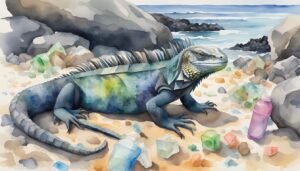
The marine iguana, unique to the Galápagos, is adapted for life at sea, foraging on algae, and possesses physiological traits like salt expulsion.
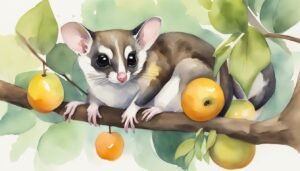
Sugar gliders are arboreal marsupials capable of gliding over 50 meters, distinguished by a patagium and are not rodents.

Identifying butterfly fish involves noting their vivid colors, patterns, and distinct body shapes.

The Arctic fox thrives in harsh climates due to adaptations like a seasonal fur coat, small ears, and fur-covered paws.

Tuskless elephants, mainly females, are increasing due to intense poaching, causing genetic adaptations for survival.

Cassius, the largest crocodile in captivity, symbolizes conservation efforts and cultural significance at Marineland Melanesia.